If you’re in the packaging or retail space, you’ve probably dealt with cardboard printing at some point—whether it’s custom product boxes, point-of-purchase displays, or bulk shipping crates. For way too long, most shops relied on flexo or screen printing for cardboard, right? But I’ve been supplying digital inkjet printers for cardboard printing for a few years now, and I get questions all the time: “Why ditch the old methods for this new stuff?” Let me break down the real, day-to-day benefits that I see my clients rave about, no corporate jargon or sales fluff. Digital Inkjet Printer
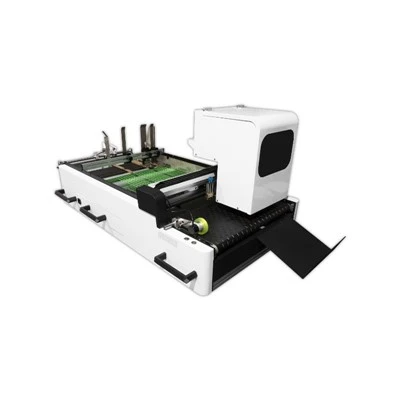
First off, let’s talk about that biggest pain point with traditional cardboard printing: small runs costing way too much. Back when I first started in this space, a local craft beer brand came to me because they wanted 500 custom 12-pack boxes for a limited seasonal release. The flexo printer they’d used before quoted them $2,000 just for the plate setup, plus $1.50 per box. That’s $2,750 total for a tiny run—insane, right? With digital inkjet, they printed exactly 500 boxes, no plates, no extra setup fees, and the total came to under $800. Why the difference? Traditional methods need custom plates, screens, or dies, and those costs get spread across as many boxes as you print. If you only need a few hundred, that fixed overhead craters your profit margin. Digital inkjet prints directly onto the cardboard, so you only pay for the ink and material you use. No minimum runs, no setup wait times, no wasted cash on plates you’ll never use again. I can’t tell you how many small business owners have told me this single benefit changed their whole ability to test new products without breaking the bank.
Next, customization on a whole other level—and not just a little tweak. Let’s say you’re a skincare brand wanting each box to have a unique customer’s name or a limited-edition pattern tied to a local art contest. Or a pet supply company printing 10 different designs for the same size dog toy line, so customers can pick based on their pup’s favorite color. With flexo, each new design means a whole new plate, which is another cost and another day of downtime. Digital inkjet lets you switch designs mid-job, no extra steps. I had a client in the gift card space who used digital printers to print 100 different card designs—each with a unique QR code that led to a personalized discount, no two boxes the same. Traditional methods would’ve made that run so expensive it wouldn’t have been worth doing. Even for big runs, you can add subtle custom touches that make your product stand out without retooling the entire print process. That kind of personalization drives customer engagement way more than generic packaging, and digital inkjet makes it accessible for every size business.
Then there’s the turn-around time—this is non-negotiable for a lot of my clients. If a retail brand needs shipping displays for a holiday pop-up that’s two weeks away, you can’t wait 10 days for a printer to make custom plates and process the order. Traditional cardboard printing has a lot of hand-offs between departments: design prep, plate making, proofing, then printing, then drying. That whole process can take a week or more, especially if you catch a mistake mid-way and have to redo plates. Digital inkjet cuts most of that out. You upload the design file, send it straight to the printer, and you can have a final proof in hours, then a full run done in a day. I once had a customer who needed 2,000 display boxes for a last-minute collaboration with a TikTok influencer. They contacted me on a Monday, the printer was set up and running by Tuesday, and the boxes were delivered by Thursday—something a traditional printer couldn’t pull off in less than a week. Less lead time means you can react faster to trends, fix design errors without wasting time, and get your products to market before competitors. That’s a huge competitive edge in fast-paced industries like consumer goods or food and beverage, where trends shift every few months.
Wait, let’s not sleep on print quality and consistency, either. I’ve seen flexo jobs where the color is off on one end of the roll, or tiny smudges that only show up after the boxes are assembled. Because traditional methods use physical plates, they can wear down over a run—especially with rough cardboard stock, which can scratch the plate and cause inconsistencies. Digital inkjet printers use precise ink delivery heads, so every single box has the exact same color, sharp lines, no blurring around text or logos. Even on corrugated cardboard, which is porous and sometimes uneven, modern digital inkjet systems have settings adjusted for different cardboard grades. A lot of my clients who switched told me they got way fewer returns or complaints from customers about “faded logos” or “misaligned text” once they made the switch. That saves them money on reprints and preserves their brand image, which is worth its weight in gold, honestly.
Another big one: waste reduction, which is a win for both your wallet and the planet. Traditional cardboard printing has a ton of waste from plates, unused material, and misprints. I’ve heard printers say they waste up to 15% of the cardboard on a run with flexo—either because of plate errors, setup issues, or damaged rolls. Digital inkjet only prints what you need, so if you order 500 boxes, you print 500, no extra. Even when you do make a mistake, it’s just a single box, not an entire roll that’s ruined because of a plate flaw. Plus, a lot of the ink we use for digital cardboard printing is water-based, which is way less harmful than the solvent inks used in some traditional methods. More and more consumers are looking for brands that reduce their environmental footprint, and having packaging that comes from a low-waste, non-toxic process is a selling point you can put on your product. I have a client who’s a zero-waste store, and they used that waste reduction benefit in their marketing, which helped them attract eco-conscious customers.
Wait, let’s address a common misconception: “digital inkjet is only for small runs.” Yeah, maybe a few years ago that was true, but new models I supply handle big runs too—like 10,000+ boxes at a time. The cost is still lower than flexo for those runs, because you don’t have to pay for plates, and the setup time is way faster. I had a client who switched from flexo to digital for a 50,000-unit run of cereal boxes, and they saved almost $12,000 total. That’s not small stuff—big brands care about that, too. So it’s not just for startups or small businesses; it works for every size operation, from side hustles to major retailers.
Now, let’s talk about ease of use. A lot of the digital printers I supply plug right into your existing design software—Adobe Illustrator, Photoshop, whatever you’re already using. No need for special training, no complicated file conversions. You can make a change to your design, save it, and send it straight to the printer. Traditional methods require someone who knows how to make plates, proof, and adjust for offset printing, which means you need specialized staff or to pay a printer extra for that work. With digital, you can have in-house printing, which cuts down on outsourcing costs and gives you more control over your timeline. I have a client with a small e-commerce store who prints all their own shipping boxes in their garage—no outsourcing, no waiting, no extra fees. That’s accessibility that didn’t exist a decade ago.

Okay, let’s wrap this up, but first: if you’re still on the fence, I’ve seen way too many businesses stuck with old methods because they don’t realize how much they’re losing out on. Whether you’re a small brand testing a new product, a retail store needing last-minute displays, or a big manufacturer looking to cut costs and reduce waste, digital inkjet for cardboard printing checks all those boxes. The best part? You don’t have to commit to a huge upfront cost—there are models for every budget, and I work with you to find what fits your specific needs, not push the most expensive one.
UV Printer If you’re ready to stop overpaying for small runs, get faster turn-around times, and level up your packaging quality, hit me up to chat through your project. I’ll answer all your questions, no sales pitch, just real talk about what will work for you.
References
- National Association of Printing Leadership. (2022). Digital vs. Traditional Printing: Cost and Efficiency Benchmarks for Packaging.
- Packaging Digest. (2023). Sustainable Printing Methods for Corrugated Cardboard: Waste Reduction and Ink Technology.
- Smith, L. (2024). Custom Packaging Solutions for Small Businesses: Shift to Digital Inkjet and Market Impact.
- Industrial Printer Magazine. (2023). Modern Digital Inkjet Systems for Corrugated Stock: Consistency and Run Length Capabilities.
- Eco Packaging Alliance. (2022). Environmental Benefits of Digital Printing for Retail Packaging.
Shenzhen Guangyin United Technology Co., Ltd.
With abundant experience, we are one of the most professional digital inkjet printer manufacturers in China. If you’re going to buy high quality digital inkjet printer made in China, welcome to get quotation from our factory. For price consultation, contact us.
Address: 2nd Floor, Building 7, No.3, Liulian Community, Pingdi Subdistrict, Longgang District, Shenzhen, China
E-mail: guangyinlianhe@gmail.com
WebSite: https://www.chinauvprinter.com/
