Hey there, fellow homeowners, contractors, and outdoor space lovers! If you’ve been scrolling for decking options lately and stumbled on bamboo decking, you probably have a question I hear literally every single day: “Can I use decking bamboo in a humid area?” As someone who’s been supplying high-quality bamboo decking materials for over a decade now (side note: I’ve sold stuff to every kind of climate—from Florida’s sweltering humidity to Pacific Northwest’s non-stop drizzle), let me cut through the confusion and tell you exactly what’s up with bamboo and humid spots. No jargon, no fancy sales pitches—just real talk from someone who’s been in the thick of outdoor builds for years. Decking Bamboo
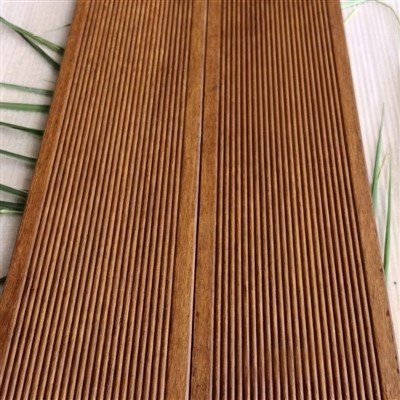
First, let’s get one thing straight: humidity isn’t just a “little dampness” you might get in a dry climate’s rainy season. We’re talking consistent high moisture in the air—like 60%+ relative humidity for months on end, maybe even year-round. That’s the stuff that makes wooden decks warp, mildew, and turn into a maintenance nightmare before you even finish grilling your first summer burger. So how does bamboo stack up here?
Let’s start with the basics of bamboo itself. It’s not a wood—wait, no, don’t zone out! I know that sounds like a trivial point, but it’s super important. Bamboo is a grass, and unlike traditional hardwoods (which are trees that take 20, 50, even 100 years to mature), bamboo grows to full harvest size in 3-5 years. That rapid growth gives it a unique cellular structure that’s actually pretty resistant to moisture-related issues—if it’s processed right. A lot of budget bamboo decking out there skips the key steps, which is why some people write it off as a bad choice for humid areas. But the good stuff? It’s built to handle dampness way better than most woods, I swear.
Wait, let’s not sugarcoat it: no decking is 100% indestructible in constant humidity. Even the fancy tropical hardwoods (ipe, teak) can develop mildew if you don’t keep them clean. But properly treated bamboo? It’s way less prone to warping, cupping, and rot than your standard pine deck. Here’s why: when we process bamboo for decking, we don’t just cut it into planks and call it a day. We use a thermal modification process first—think heating the bamboo in low oxygen to remove all the sugar and starch. That’s a big deal because sugar is exactly what mold and mildew feed on. If the sugar’s gone, those tiny spores don’t stand a chance. Thermal modification also closes up the bamboo’s cell walls, so it absorbs way less moisture than untreated wood. I’ve seen planks from my suppliers sit in 80% humidity for 2 years straight, and they barely changed shape. Compare that to the pine decks we used to sell back in the day—within a year, they’d warp so bad you could trip over the gaps.
Then there’s the waterproofing and sealing part. I know, I know—everyone tells you to seal your deck. But for bamboo in humid areas, it’s non-negotiable. Wait, but not just any sealer! A lot of people slap on a generic wood sealer and wonder why it peels off in 6 months. For bamboo, you need a penetrating sealer that gets into those closed cell walls and keeps moisture out from the inside, not just the top. That’s another thing we’ve worked out over the years—we can hook you up with the right sealer for your specific humid climate, no guesswork.
Now, let’s tackle the common myths. First myth: “Bamboo swells so bad in humidity it’ll crack your deck.” Nah, not if it’s properly kiln-dried before installation. We dry all our bamboo planks to a 12-14% moisture content before shipping—match that to the average moisture level in your area, and swelling is minimal. I once sold a batch to a guy in Miami who swore nothing would survive his summer humidity, and 3 years later he texted me a pic of his deck, no cracks, no warps. He even added a string of fairy lights along the edge, and the moisture didn’t ruin the wire, either. Second myth: “Bamboo is soft, so it’ll get moldy fast in damp air.” Again, not the treated stuff. The thermal modification we do hardens the bamboo so it’s actually as durable as many hardwoods, plus we use a copper-based preservative (non-toxic, don’t worry—we’re big on eco-friendly) that keeps mold at bay. Sure, if you let leaves and dirt pile up on your deck all season, you might get a little mildew on the surface, but a quick power wash (on low pressure, obviously) takes care of that. No extra chemicals needed.
Wait, but what about installation? That’s half the battle, right? Even the best decking will fail if you install it wrong, especially in humid areas. I see so many people cut corners here. For bamboo, you need to leave a small gap between planks—about 1/8 inch. In high humidity, bamboo might expand a little, so not leaving enough gaps will make the planks push against each other, which can cause warping. Also, make sure your joists are properly spaced—we recommend 16 inches on center for bamboo, not 24 like you might do for wood. That extra support keeps the planks from sagging when the moisture adds a little weight. And never lay bamboo directly on the ground—always use a moisture barrier between the joists and the ground. That’s a simple step, but it prevents ground moisture from seeping up and causing rot. I can’t tell you how many times a customer came back complaining about a rotting deck, and it turned out they skipped the moisture barrier. Don’t be that guy.
Now, let’s talk real-world examples, because I know numbers and stories matter. Last year, we supplied decking to a client in Houston—you know, that’s the city where humidity is so high your hair turns into a cloud before you get to your car. They built a 200 sq ft deck off their back patio, and they use it year-round for cookouts, their kid’s swing set, everything. A few months back, they reached out to say they had a tiny patch of mildew on one plank, but it wiped off with a mix of water and white vinegar in 2 minutes. They even said it looks better than the old cedar deck they had before, which had to be replaced every 4 years because of rot. Another one: a condo in Singapore, where humidity is basically a constant 70-80%. We supplied them with 500 sq ft of bamboo decking for their rooftop terrace, and the property manager sent us a review saying it’s the lowest maintenance outdoor space they have. No warps, no constant sealing, just occasional cleaning.
But let’s be honest—what if you’re in a super humid area with heavy rain and frequent flooding? Is bamboo still a good call? Yeah, but you might want to go with a capped bamboo decking, too. Capped means there’s a thin layer of HDPE plastic on the surface that adds extra protection against spills, rain, and even salt air (if you’re near the coast). That’s perfect for areas that get more than just regular humidity—think tropical islands, flood zones, places where rain is constant. It’s a little more expensive, but not by much, and it adds years to the life of your deck. I’ve sold a lot of capped bamboo to folks in coastal Florida, and none of them have had issues. They say it’s way easier to clean than wood, and it doesn’t get that sticky, damp feel that wood does when it’s humid.
Wait, but what about maintenance? A lot of people hear “decking” and think “endless staining and sealing every year.” With bamboo in a humid area, how much work is it really? Let’s break it down: a quick sweep once a week to remove leaves and dirt, a wipe down with a mild cleaner every few months, and re-sealing every 2-3 years (instead of every 1 for wood). That’s it. No power washing every spring, no worrying about mildew setting in permanently. Compare that to a cedar deck, which needs sealing every year, and it’s a no-brainer. Plus, bamboo is super eco-friendly—no deforestation, since it grows back so fast, so you can feel good about your choice even if it’s for a damp climate.
But hold up—there’s one thing you can’t ignore: buying the right bamboo. Not all bamboo decking is created equal. I’ve seen some cheap stuff online that’s just natural bamboo, no thermal modification, no preservative. That stuff will definitely warp and get moldy in a humid area. So how do you tell the good from the bad? Ask the supplier about their processing methods. If they don’t mention thermal modification or kiln drying, run. Check if they use non-toxic preservatives—copper-based is the way to go, not anything weird that might leach into your garden. And read reviews from people in humid areas specifically. If all the reviews are from people in dry climates, they’re probably not the ones to trust.
Now, I know you might be thinking: “Okay, this sounds great, but what about cost?” Bamboo decking is actually pretty comparable to mid-range hardwoods, and cheaper than tropical hardwoods like ipe. When you factor in lower maintenance and longer life (we offer a 10-year warranty on our bamboo decking for humid areas), it’s actually a better deal in the long run. You won’t have to replace your deck every 5 years, like you would with pine or cedar, so the upfront cost pays off quick.
So, to wrap this up: can you use decking bamboo in a humid area? Absolutely—if it’s properly processed, installed right, and sealed with the right product. It’s more resistant to mold, mildew, warping, and rot than most traditional woods, it’s lower maintenance, and it’s eco-friendly. The key is avoiding the budget, untreated stuff and working with someone who knows what they’re doing for humid climates.

If you’re ready to take the next step—whether you’re planning a small backyard deck, a rooftop terrace, or a coastal build in a super humid spot—I’ve got you. We can send over samples so you can see the quality firsthand, answer all your specific questions about installation or maintenance for your exact area, and help you get the right materials for your project. Don’t stress about your humid climate—we’ve got the bamboo that’s built for it. Reach out, and let’s chat about your outdoor space.
Outdoor Bamboo Wall Panels References
- International Bamboo and Rattan Organization (INBAR). "Bamboo as a Building Material: Properties and Applications." 2021.
- American Wood Council. "Moisture Effects on Wood and Bamboo Decking." 2022.
- USDA Forest Service. "Thermal Modification of Wood for Enhanced Durability." 2020.
- Singapore National Environment Agency. "Mold Prevention in Outdoor Construction Materials." 2023.
- University of Florida Extension. "Decking Choices for Humid Subtropical Climates." 2021.
Fujian Jingmingsheng Forestry Technology Co., Ltd.
As one of the most professional decking bamboo manufacturers and suppliers in China, we offer a wide range of products with superior quality. With abundant experience, we warmly welcome you to wholesale bulk decking bamboo in stock here from our factory. Customized orders are welcome.
Address: No. 1, Daban, Fuzhuang, Xiyang Town, Yongan City, Sanming City, Fujian Province
E-mail: 17759790120@163.com
WebSite: https://www.jingangzhu.com/
