Hey there, fellow glasses wearers, and welcome to the blog! If you’ve ever stared at a new pair of reading glasses, thought they looked “fine” on the shelf, only to get home and realize they slide down your nose, pinch the sides of your head, or just feel… off? Yeah, I’ve been there too. As someone who’s worked in the reading glasses supply game for years, I’ve heard this question more times than I can count: “How do I pick the right bridge width for reading glasses?” Reading Glasses

I get it—glasses bridge width isn’t exactly the first thing people think about when they’re grabbing readers for a morning scroll or a trip to the grocery store. Most of us just grab the pair with the coolest frame or the lowest price, right? But here’s the thing: the bridge is the part that actually holds your glasses on your face. Get that wrong, and even the best lenses in the world won’t make you comfortable. I’ve seen people skip the wrong pair within an hour, or even give up on reading glasses altogether because they’re always slipping or hurting. So let’s break this down like we’re chatting over a cup of coffee—no stuffy jargon, no confusing charts, just real, practical stuff from someone who’s helped hundreds of folks find their perfect fit.
First off, let’s keep it super simple: what is the bridge width? It’s the little (or not-so-little) section that sits over your nose, between the two lens rims. On most glasses frames, you’ll see a number printed somewhere—usually on the inner side of one temple arm, like “52□18-145”. That second number, the 18 here? That’s the bridge width, measured in millimeters. Wait, hold on—before you go thinking “that’s tiny, how does that matter?” let’s not panic. A difference of just a few millimeters makes a huge difference. Like, if your bridge is 16mm, and you grab a pair with a 20mm bridge? That’s 4mm too wide, and they’re gonna slide every time you laugh, nod, or lean over a book. If it’s 2mm too narrow? They’ll pinch the sides of your nose so bad you’ll be taking them off every 10 minutes.
So how do you find your bridge width, without dragging out a ruler or making a trip to the optometrist? Here’s the trick I always tell people, and it’s free, no fancy tools needed. Grab a piece of paper and a regular pencil. Stand in front of a mirror (your bathroom mirror works perfect) and hold the pencil straight across the bridge of your nose, right where your glasses would sit—so it’s touching the skin on both sides, not sliding up onto your cheekbones or down toward your nostrils. Now, take your other hand and mark the pencil where it ends on each side of your nose. Next, pull the pencil away, lay it flat on the paper, and draw a line connecting those two marks. Then grab a regular ruler (the kind with millimeters, not inches—trust me, millimeters are way smaller and more precise here) and measure that line. That number is your perfect bridge width. Easy, right? I’ve had people do this in 30 seconds while waiting for their toast to pop up, and it’s been 90% accurate.
Wait, but hold on—everyone’s nose is different. Some of us have low, wide noses (like me—you know, the kind where glasses look like they’re about to fall off if you sneeze), some have high, narrow noses, some have a little bump on the bridge, some have flatter tips. Does that change things? Absolutely, and that’s why we can’t just rely on the number we measure. Let’s talk about those little nuances. If you have a low nose bridge, you might need a pair that has a little extra “nose pad” support—even if your measured width is 18mm, a frame with adjustable nose pads (those little plastic bits that sit on your nose, not just the frame itself) will make a world of difference. Those let you tweak how the glasses sit, so they don’t slide. I remember a customer a few months back, she had super low, wide noses and kept returning every pair of readers until she tried the ones with adjustable pads—she told me that was the first time she could wear glasses for a whole book without adjusting them. If you have a high, narrow bridge? You might want to skip frames with really wide bridge fronts that dig in, and go for ones that curve a little more to fit the shape of your nose. Bumps or irregularities? Look for flexible nose pads—they conform to your nose instead of pressing straight down.
And let’s not forget the frame style, because that plays a role too. I know, I know—we were talking about measurements, but frame shape and material matter here too. Let’s go over the most common frame types for reading glasses, since that’s what we supply mostly. First, plastic frames—they’re super popular, cheap, and come in every color under the sun. The thing about plastic bridges is that they don’t bend much, right? So if your bridge is a little irregular, plastic might feel rigid, so you really need to get that measurement right. If you’re between two sizes with plastic frames, always go for the slightly wider one—they can be a little tight if they’re too narrow, and stretching plastic (while possible) is a pain, and might crack them. Then there are metal frames—those are way more flexible, mostly because they’re thin wire or lightweight alloy. Metal bridges can bend to fit your nose a little, so if you’re off by a mm or two, metal can usually adjust. That’s why a lot of our best-selling metal reading glasses are great for people who aren’t sure about their exact bridge size, or have slightly variable nose shapes. Cat-eye frames? Wait, those are fun, but their bridge width is usually a little wider to fit the flared outer edges—so if you love cat-eyes, you might want to add 1mm to your measured width to make sure they sit right. Wayfarers? Those have a classic, wide bridge front, so same deal—add a tiny bit if you love that retro look.
Wait, let’s address a common mistake I see people make all the time: going by their “regular” glasses size, not their reading glasses size. Hold up—reading glasses are different from prescription glasses, right? They’re for close-up work, like reading, knitting, scrolling your phone. A lot of folks think “oh, my prescription glasses have a 19mm bridge, so my readers must too” but that’s not always true. Prescription glasses are built to sit higher on your face, so the bridge is adjusted for distance vision. Reading glasses sit lower, closer to your eyes, so the bridge needs to fit a little differently. I’ve had so many customers tell me “my prescription glasses are fine, but my readers hurt my nose” and it’s because they didn’t re-measure for their readers—their nose might be the same, but the way the glasses sit is different, so the bridge width lands in a slightly different spot. Pro tip: always measure specifically for your reading glasses, not other pairs you own.
Another thing to consider: where you live, or how you use your reading glasses. Wait, how does that matter? Let’s say you’re a baker, and you’re reading recipes while leaning over a counter—your glasses are gonna be moving a lot, so a pair that slides is a nightmare. In that case, you might want to go for a slightly narrower bridge than your exact measurement, or get a pair with non-slip nose pads. If you’re working at a desk all day, staring at a computer, you want a pair that sits steady so you don’t have to push them up every 10 minutes—so your exact measurement is perfect, or maybe a mm wider. I’ve also had customers who wear readers for gardening, and they’re bent over a lot—so adjustable nose pads are non-negotiable for them, no matter the exact width.
Wait, what about if you buy reading glasses online? That’s super common now, right? A lot of us don’t have time to run to a store, so we order from our phones. How do you make sure you get the right bridge width there? First, check the product description—most legitimate suppliers (like us, obviously) list that bridge number we talked about earlier, like “Bridge width: 18mm”. Second, if you’ve already had a pair of readers that fit well, check the inner arm of those—they probably have a number, so you can match that. If you don’t have a perfect pair? Use that pencil trick I told you about earlier, and then when you’re looking at products, pick a pair with a bridge width that’s within 1mm of your measurement. Third, look for frames with return policies—because even with all the measuring, sometimes it’s just not a match, and you don’t want to be stuck with a pair that doesn’t fit. All the reading glasses we supply have a 30-day free return, because we know fit is personal—no one should be stuck with uncomfortable glasses.
Let me talk about a few horror stories I’ve seen over the years, just to drive this home. Last year, a guy ordered three pairs of readers because he thought “bigger is better” for his wide nose. All three had 22mm bridges, and he sent them all back saying they slipped down his face when he read. We sent him a pair with 19mm bridges and adjustable pads, and he wrote us a 5-star review saying that was the first pair he’d worn in years that didn’t feel like they were going to fall off. Another customer, a woman in her 60s, had a narrow nose and kept buying readers that pinched her nose so bad she ended up with red marks. We showed her the pencil trick, she measured 16mm, and when she ordered a pair with 16mm bridge width, she said it was like “a weight off her nose”. The point is—this isn’t a small detail. It’s the difference between glasses you love, and glasses you hate.
Wait, let’s wrap up all this into a quick, actionable checklist, so you don’t have to remember everything. 1. Grab a pencil and ruler, measure your nose bridge where glasses would sit, that’s your base number. 2. If you have low/wide nose, go for adjustable nose pads, maybe a mm wider than your measurement. If you have high/narrow/irregular, flexible pads, maybe a mm closer. 3. For plastic frames, stick as close to your number as you can—metal is more forgiving. 4. Always measure for reading glasses, not your regular prescription pairs. 5. If buying online, check the product listing for bridge width, and go with a supplier that has good returns.
Now, I know a lot of you might still be thinking “this sounds like work” or “I don’t have time for this” — but trust me, it’s way less work than constantly adjusting your glasses, or wearing a pair that hurts. And if you’re shopping for new reading glasses, whether it’s for yourself, a gift for a family member who’s been complaining about their readers, or to restock your office, we’ve got you covered. We carry all different bridge widths, all different frame styles—classic, cat-eye, metal, plastic, even those lightweight foldable ones for travel. Every pair is made with comfortable, high-quality lenses, and we’ve got options for every face shape and nose size.
If you have any questions, or you’re not sure which bridge width would work best for you, just reach out—our team is here to help, no pushy sales stuff, just real advice. We’ve helped thousands of people find their perfect reading glasses fit, and we can help you too.
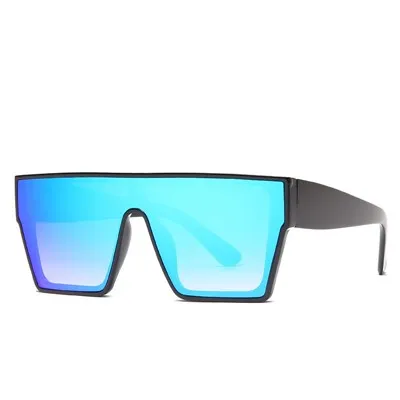
At the end of the day, reading glasses should be an accessory that makes your life easier, not something you have to fight with every day. Getting the bridge width right is the first step to that. So next time you’re picking out readers, don’t just look at the color or the price—take 30 seconds to check that bridge width, or use that pencil trick. Your nose (and your reading experience) will thank you.
Cycling Sunglasses References:
- American Optometric Association. (2022). Guide to Selecting and Fitting Eyeglasses.
- Vision Council. (2021). Consumer Report on Vision Health and Eyewear Fit.
- International Organization for Standardization. (2019). Ophthalmic Optics – Eyeglass Frames – Part 1: Vocabulary and Measurement System.
- Optometry Times. (2020). The Often Overlooked Role of Bridge Fit in Eyewear Comfort and Compliance.
Yiwu Finewell Eyewear Co., Ltd.
Yiwu Finewell Eyewear Co., Ltd. one of the leading reading glasses manufacturers and suppliers in China. We warmly welcome you to buy or wholesale discount reading glasses from our factory. All customized products are with high quality and competitive price. Contact us for more details.
Address: Yiwu Wangshang Chuangye Building, No.407, Yongjun Road, Beiyuan Street, Yiwu City, Jinhua City, Zhejiang Province.
E-mail: Mariayang@ywfinewell.com
WebSite: https://www.finewelleyewear.com/
