If you’ve ever stood in a grain processing plant at dawn, watching a semi-truck pull up with a load of newly harvested wheat or corn, you know that the quality of your final product hinges on one often-overlooked hero: the grain cleaning machine. As a supplier who’s worked with small family farms and large commercial processing operations across the Midwest for the last 12 years, I’ve seen too many teams invest top-dollar into new cleaning equipment only to wonder why their output is inconsistent—or worse, why they’re losing money to unprocessed debris, broken kernels, or even cross-contaminated grain. The truth is, a grain cleaning machine isn’t a set-it-and-forget-it tool. Its performance depends on a dozen interconnected factors, some obvious, others so subtle you might not notice them until you’re mid-harvest crunch. Today, I’m breaking down these factors the way I’ve learned from on-the-ground experience, not just textbooks, so you can get the most out of your cleaning equipment, no matter what grain you’re handling. Grain Cleaning Machines
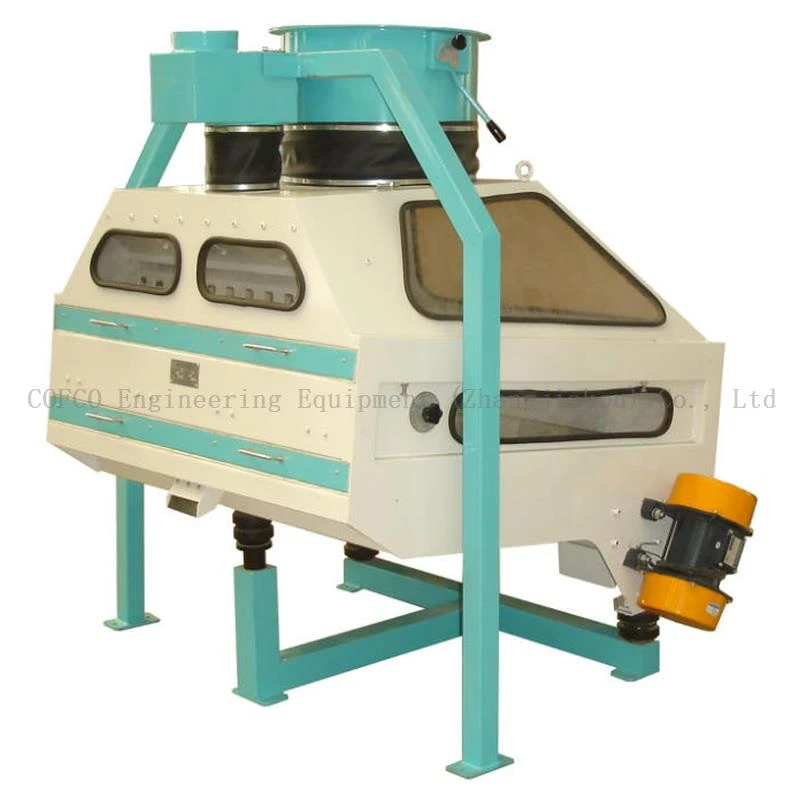
First, and arguably the most impactful, is the physical characteristics of the grain itself. It sounds simple, right? But here’s what most operators miss: not all grain is the same, even within the same crop year. For example, spring-harvested soft red wheat has a lower density and smaller kernel size than hard winter wheat harvested later in the season, and that difference changes how the machine’s air screen, sifters, and separators interact with it. Last fall, I worked with a corn farm in Iowa that installed a cleaning machine sized for hard-shell corn, but used it on their new, sweeter silage corn hybrid. The machine’s air speed was calibrated to lift only lightweight chaff off hard kernels, but the silage corn’s smaller, softer kernels blew right out with the debris, cutting their yield by 8%. On top of kernel size and density, moisture content is a non-negotiable variable here. If grain is too dry—below 12% for wheat, for example—kernels become brittle and crack as they flow through the machine, creating fines that mix with the cleaned grain and lower its market value. If it’s too wet, debris clumps together, sticking to kernels instead of being separated, and the grain might even start to mold inside the machine if it’s not processed quickly. I always tell customers to test grain moisture within 24 hours of delivery, adjust machine settings before the full load hits, and never rush through wet grain to avoid future headaches.
Next, the design and condition of the machine’s core components. You could have two identical grain cleaning models, but if one has worn parts and the other is well-maintained, their performance will be night and day. Let’s start with the air system, the heart of most gravity-type and air-screen cleaners. The fan’s static pressure and air volume are calibrated at the factory for a specific kernel size, but over time, fan blades can erode from constant exposure to dust and abrasive chaff, reducing air speed by as much as 20%—enough to leave heavy weed seeds in the grain. Then there’s the screen stack, the part that sorts grain by size. Most operators don’t realize that screen holes wear unevenly: the top deck, which handles large debris, develops stretched holes on the edges where grain flows at high speed, while the bottom deck, which separates small fines, clogs with fine dust and broken stalks. Last year, a soybean processing plant called me in because their cleaned beans had 3% more weed seeds than their contract allowed. When we checked, their top screen deck had holes stretched from 8 inches to 11 inches, letting giant pigweed seeds slip through. They’d skipped annual screen inspections because they thought the screens “looked fine.” Replacing just two worn screen decks fixed the issue, and they saved thousands in rejected product. Even smaller components matter: worn baffles that direct grain flow can create dead spots where debris accumulates, and bent augers can crush kernels instead of moving them smoothly.
Operating practices are another set of factors that often fly under the radar. I’ve seen perfectly good machines run poorly because operators set them and walk away, never adjusting for load changes. Grain cleaning machines work best when the feed rate is consistent—if you dump a full truckload of grain into the hopper in 10 minutes instead of an hour, the machine can’t keep up with the flow, so some grain skips the sifters entirely. Most modern machines have load sensors that alert operators to inconsistent feed, but even if yours doesn’t, training your team to feed grain slowly and steadily will cut down on errors. Then there’s the calibration of settings, which is not a one-time task. Every week, or even every few loads, you should test a sample of cleaned grain with a grain meter to check for remaining debris, and adjust air speed or screen tilt accordingly. I once had a customer who only calibrated his machine once at the start of harvest, and by mid-harvest, the local pollen count had dropped (which changes the lightness of chaff!) and his cleaning rate fell by 15%. When we walked through a load together and adjusted the fan speed just 50 RPM, his chaff separation went back to normal. Operators also need to know how to clean the machine itself. At the end of each day, fine dust and debris build up in the air ducts and sifter gaps, clogging the system over time. Skipping daily cleanings can make the machine work harder, leading to higher energy costs and more wear on parts.
Environmental conditions at the processing site play a role too, and it’s something most people don’t consider until they’re facing a problem. Let’s start with temperature and humidity. If your processing plant is in a cold, dry climate during winter, the air inside is denser, which means the fan on your cleaning machine moves more air than it does in humid summer months. That extra air can blow good kernels along with debris. Last winter, a farmer in Minnesota called me complaining that his wheat cleaning line was blowing out 2% more grain than it should. When we checked the machine’s air speed, it was 10% higher than his summer calibration, because the cold air was denser. A simple adjustment to the fan’s damper fixed the issue, no parts replaced, no big costs. Even the layout of your plant matters. If your cleaning machine is positioned too close to a loading dock with fans blowing in, or near an open door that creates crosswinds, those external air currents can disrupt the machine’s internal air system, leading to inconsistent cleaning. I always advise customers to place cleaning machines in enclosed areas with minimal air flow from outside, or add simple wind breaks if that’s not possible.
Wait a minute—what about maintenance schedules beyond just replacing screens? I’ve seen machines that ran for 10 years with no major issues because their operators changed oil and greased bearings every 50 hours, versus machines that wore out in 5 years because they skipped those tasks. Proper lubrication keeps moving parts like the sifter mechanism and augers running smoothly, reducing friction that can cause uneven grain flow. Routine inspections for loose bolts, worn belts, and damaged seals also prevent small problems from becoming big ones. For example, a worn seal on the fan shaft can let dust get into the motor, causing it to overheat and lose power—something that would shut down the entire cleaning line mid-harvest. I recommend creating a maintenance log that tracks every inspection, oil change, and part replacement, so you can spot patterns (like a fan blade wearing out every 3 years) and plan ahead instead of reacting to breakdowns.
Another factor that’s increasingly important these days is cross-contamination. If you process multiple types of grain—say, corn, wheat, and soybeans—your cleaning machine can carry over residual grain from previous runs, which affects both quality and marketability. For example, if you process soybeans and then switch to wheat, leftover soybeans in the machine can mix with the wheat, lowering its grade. How does this impact performance? It means you have to spend extra time cleaning the machine between runs, or adjust settings to account for residual grain, which slows down your throughput. Modern cleaning machines have dedicated brush systems and quick-release sifters that make cross-contamination easier to avoid, but it still requires operator attention to fully empty the hopper and air ducts between grain types.
Let’s talk about something that might seem obvious, but is often overlooked: machine size and capacity. A lot of customers assume that bigger is better, but if you buy a machine that’s too large for your operation, it will run at low capacity, which can lead to uneven grain flow and poor cleaning. On the flip side, a machine that’s too small will be overloaded during peak harvest, leading to missed debris and damaged kernels. For example, a small family farm with 50,000 bushels of corn a year doesn’t need a machine sized for 200,000 bushels—using a machine designed for half that capacity will result in better cleaning and lower operating costs, not higher. I always work with customers to calculate their average annual throughput, peak harvest volume, and grain types before recommending a machine, because mismatched size is one of the top reasons machines underperform.
Over the years, I’ve also learned that even minor issues, like incorrect screen selection, can derail performance. Most people pick screens based on grain size alone, but screen material matters too. For example, perforated metal screens are more durable than woven synthetic screens, making them ideal for high-volume, abrasive grains like corn. Woven screens work better for small, delicate grains like millet, because they don’t crack kernels like metal can. Picking the wrong screen type not only affects cleaning rate but also increases kernel damage, which lowers the value of your final product. I’ve seen customers save hundreds by investing in the right screens instead of forcing a generic set to work for every grain.
What about operator training? You can have the best machine, well-maintained, perfectly calibrated, but if your team doesn’t know how to use it, it will underperform. I’ve trained operators who thought the “speed” dial on the machine was for how fast grain moved through, not the fan speed. One time, a new operator turned the grain feed all the way up, thinking it would clean faster, and ended up with a load that was 10% unprocessed debris. That’s why we offer on-site training for all our customers, not just a manual and a tutorial video. Teaching operators how to test grain samples, adjust settings, clean the machine, and spot small issues before they become big ones makes a huge difference in long-term performance.
Now, let’s tie this all together. At the end of the day, a grain cleaning machine’s performance isn’t determined by the machine alone—it’s a combination of grain characteristics, component condition, operating practices, maintenance, environment, machine size, and operator knowledge. I’ve seen customers take a machine that was underperforming by 15% and get it back to full efficiency just by replacing worn screens and adjusting the fan speed for their current grain moisture. I’ve also seen customers with brand-new machines run poorly because they skipped training and maintenance.

If you’re dealing with inconsistent cleaning, high kernel damage, or rejected grain loads, don’t just assume your machine is bad. Take a step back and look at all these factors first. And if you’re in the market for a new grain cleaning machine, or looking to maximize the performance of the one you already have, I’m here to help. We work with operations of all sizes, from small family farms to large commercial processors, to find the right equipment, provide training, and offer ongoing support to make sure your cleaning line runs smoothly during every harvest season. Don’t let avoidable costs or lost yields hold your operation back—reach out to us to discuss your specific needs and how we can help you get the most out of your grain cleaning setup.
Flour Mill Service Equipment References
- ASABE Standards. (2022). Agricultural Machinery Management: Grain Cleaning and Processing. American Society of Agricultural and Biological Engineers.
- Harden, J. T. (2021). Grain Storage and Processing: A Practical Guide for Agricultural Operators. University of Extension Press.
- Miller, L. K. (2020). Factors Affecting Air Screen Grain Cleaner Performance. Journal of Agricultural Engineering Research, 118(3), 45-57.
- USDA Agricultural Marketing Service. (2023). Grain Cleaning Equipment Best Practices for Commercial Operations. U.S. Department of Agriculture.
- Wilson, D. R. (2022). Preventive Maintenance for Grain Processing Machinery. Grain Journal, 47(2), 22-27.
COFCO Engineering Equipment (Zhangjiakou) Co., Ltd.
As one of the most professional grain cleaning machines manufacturers and suppliers in China, we also support customized service. Please feel free to wholesale advanced grain cleaning machines for sale here from our factory. Quality products and reasonable price are available.
Address: No.4 ZhongLiang Street, high-tech industrial development zone, Zhangjiakou, Hebei, PRC
E-mail: mayihui@cofco.com
WebSite: https://www.ceeflourmill.com/
