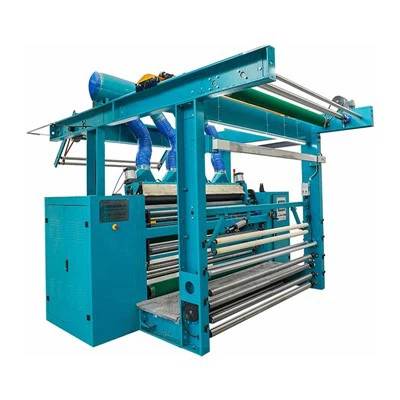
Hey there! I’m a supplier in the textile hot air blowing business. You know, hot air blowing is a pretty crucial process in textile production. It can affect the look, feel, and overall quality of textiles in a big way. So, today I wanna share with you how to test the quality of textiles after hot air blowing. Textile Hot Air Blowing
1. Appearance Inspection
First off, let’s talk about appearance. When you take a look at the textile after hot air blowing, the first thing you’ll notice is how it looks on the surface. You gotta check for any discoloration. Sometimes, the heat from the hot air can cause the fabric to change color. It might turn a bit yellowish or have uneven color patches. This could be due to the heat breaking down the dyes in the fabric or the fabric itself reacting to the high – temperature air.
Also, look out for any signs of melting or damage. Some synthetic fibers might start to melt under high – temperature hot air. You’ll see little bumps or areas where the fabric looks like it’s been fused together. For natural fibers like cotton or wool, they might get singed around the edges or have small holes if the heat was too intense.
Wrinkles and shrinkage are other things to keep an eye on. Sometimes, even though you’re trying to smooth out the fabric with hot air, it can end up causing more wrinkles if the air flow or temperature wasn’t regulated properly. And shrinkage is a common issue. If the textile shrinks more than the acceptable range, it’s a sign that the hot air blowing process might have been too strong for the fabric.
2. Physical Property Testing
Tensile Strength
Tensile strength is super important. It measures how much pulling force the textile can withstand before it breaks. After hot air blowing, the fabric’s structure might change, affecting its tensile strength. You can use a tensile testing machine to check this. Just cut a sample of the textile into a standard size and shape, usually a strip. Then, clamp the sample in the machine and start pulling it at a constant speed. The machine will record the maximum force the sample can take before it tears.
If the tensile strength of the textile after hot air blowing is significantly lower than before, it means the hot air might have weakened the fabric’s fibers. This could be because the heat broke some of the molecular bonds in the fibers, making them less able to resist pulling forces.
Elongation
Elongation is related to how much the textile can stretch before it breaks. Similar to tensile strength testing, you use the same sample and machine. As you pull the sample, the machine will also measure how much it stretches. A change in elongation after hot air blowing can indicate that the fabric’s elasticity has been affected.
For example, if a stretchy fabric like spandex loses its ability to stretch as much after hot air blowing, it might be because the heat has damaged the elastic properties of the fibers. This could be a big problem, especially for fabrics that are used in clothing where stretch is important, like sportswear or leggings.
3. Chemical Property Testing
pH Level
The pH level of a textile can change after hot air blowing. Some chemicals in the fabric or finishing agents might react with the hot air and change the pH. You can use pH test strips to measure this. Just wet a small part of the textile and press the test strip against it. The color of the test strip will change according to the pH level, and you can compare it to a color chart to get the exact pH value.
A significant change in pH can be a concern. If the textile becomes too acidic or alkaline, it can cause skin irritation when worn. Also, it might affect the fabric’s durability over time, as extreme pH levels can break down the fibers.
Residual Chemicals
There could be residual chemicals on the textile after hot air blowing. For example, if there were any flame – retardant chemicals or softeners used in the fabric, the heat might cause them to break down or release some by – products. You can use chromatography or spectroscopy techniques to analyze the residual chemicals.
These techniques are a bit more advanced and usually require a laboratory. But they can give you a detailed picture of what chemicals are left on the fabric and in what amounts. If there are high levels of harmful chemicals, it’s definitely a red flag for the textile quality.
4. Comfort Testing
Air Permeability
Air permeability is all about how well air can pass through the textile. After hot air blowing, the fabric’s structure might be altered, which can affect its air permeability. You can use an air permeability tester. This machine measures the amount of air that can pass through a given area of the fabric in a certain amount of time.
If the air permeability decreases after hot air blowing, the fabric might feel stuffy when worn. This is especially important for fabrics used in summer clothing or activewear, where good air circulation is key to keeping the wearer comfortable.
Moisture Management
Moisture management is another important aspect of comfort. You need to check how well the textile can absorb and wick away moisture. You can do a simple test by dropping a small amount of water on the fabric and observing how quickly it spreads and is absorbed.
After hot air blowing, the fabric’s ability to manage moisture might change. If it becomes less absorbent, it can lead to a sweaty and uncomfortable feeling when worn.
Why It Matters to Us
As a textile hot air blowing supplier, these tests are super crucial for us. We want to make sure that the hot air blowing process we provide doesn’t damage the textiles but actually improves their quality. By doing these tests, we can fine – tune our hot air blowing parameters, like temperature, air flow rate, and blowing time.

For our customers, high – quality textiles mean happy end – users. Whether it’s for clothing, home textiles, or industrial applications, the quality of the final product is directly related to the quality of the textile after hot air blowing.
Textile Washing Machine If you’re in the textile business and looking for a reliable hot air blowing supplier, we’d love to have a chat with you. We’ve got the experience and the know – how to ensure that your textiles come out in top – notch condition after the hot air blowing process. Just reach out for a procurement discussion, and let’s work together to create high – quality textiles!
References
- Textile Testing Handbook, Third Edition by W. S. Simpson and G. A. Crawshaw
- Handbook of Textile Fibre Structure, Volume 2 by R. H. Blackburn
Jiangsu Feng Te Technology Co., Ltd.
We’re well-known as one of the leading textile hot air blowing manufacturers in China. With a professional production team, we are able to meet the needs of the majority of our customers. Please rest assured to buy discount textile hot air blowing for sale here from our factory.
Address: No. 4 Zhanghong Road, Siying Industrial Park, Lianyungang City, Jiangsu Province, China
E-mail: frentejenny@foxmail.com
WebSite: https://www.jsfrente.net/
