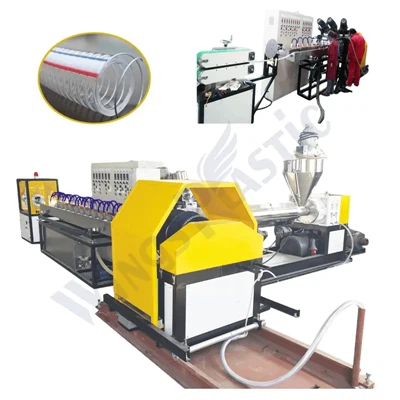
As a provider of EVA Vacuum Cleaner Hose Machines, I am well – versed in the ins and outs of these remarkable pieces of equipment. Operating an EVA Vacuum Cleaner Hose Machine correctly is crucial not only for the quality of the hoses produced but also for the longevity of the machine itself. In this blog, I will guide you through the step – by – step process of operating this machine correctly. EVA Vacuum Cleaner Hose Machine
Pre – operation Preparations
Before turning on the EVA Vacuum Cleaner Hose Machine, several pre – operation checks and preparations are essential. First and foremost, inspect the working environment. The machine should be placed on a flat and stable surface. A uneven surface can cause vibrations during operation, which may not only affect the precision of hose production but also pose a potential safety hazard.
Check the power supply carefully. Make sure it meets the voltage and frequency requirements specified in the machine’s manual. A power supply that does not match can lead to malfunctions or even damage the electrical components of the machine.
Examine the raw materials. The EVA materials used for making vacuum cleaner hoses should be of high quality. Check for any impurities or damage in the raw material rolls. If there are impurities, it may result in defects in the hoses, such as holes or uneven thickness.
Next, lubricate the moving parts of the machine. Refer to the machine’s lubrication chart to determine the appropriate lubricants and lubrication points. Regular lubrication reduces friction between parts, extends the service life of the machine, and ensures smooth operation.
Starting the Machine
Once all pre – operation preparations are completed, it’s time to start the machine. First, turn on the main power switch. This will supply electricity to the entire machine system. After that, start the heating system. The EVA material needs to be heated to a specific temperature to become malleable for hose production.
Monitor the temperature closely using the temperature control panel. Different types of EVA materials may require different heating temperatures. Generally, the temperature range for EVA processing is around 150 – 200 degrees Celsius, but it is best to follow the recommendations provided by the material supplier or in the machine’s operating manual.
While the heating system is working, start the control system of the machine. This includes setting up the parameters such as the speed of the extrusion process, the diameter of the hose, and the wall thickness of the hose. These parameters are crucial for producing hoses that meet the required specifications.
Extrusion Process
The extrusion process is the core of producing EVA vacuum cleaner hoses. Once the EVA material reaches the appropriate temperature, it will be fed into the extrusion barrel through the feeder. The screws inside the extrusion barrel will then push the molten EVA material forward.
During the extrusion process, it is important to maintain a stable feeding speed. An inconsistent feeding speed can lead to uneven thickness of the hose. You can adjust the feeder speed according to the actual situation of the extrusion process.
Another key aspect is to ensure the correct pressure in the extrusion barrel. Adequate pressure is necessary for the EVA material to flow smoothly through the die head and form the desired hose shape. Monitor the pressure gauge regularly and make adjustments if the pressure is too high or too low.
Hose Shaping and Cooling
As the extruded EVA material comes out of the die head, it needs to be shaped into a hose. The die head is designed to give the hose its specific diameter and wall thickness. Check the shape of the emerging hose continuously. If there are any irregularities, such as elliptical shape or uneven edges, it may be necessary to adjust the die head or the extrusion parameters.
After the hose is formed, it needs to be cooled down quickly to solidify its shape. A cooling tank filled with water is commonly used for this purpose. The hose should pass through the cooling tank at an appropriate speed. If the cooling speed is too fast, the hose may develop internal stress, which can lead to cracks or breakage. On the other hand, if the cooling speed is too slow, the hose may deform.
Winding and Cutting
Once the hose is cooled, it needs to be wound onto a spool. The winding machine should operate at a speed that matches the extrusion speed. Uneven winding can cause the hose to become tangled or damaged. Make sure the spool is properly installed and can rotate smoothly.
When a certain length of the hose is wound, it needs to be cut. Use a sharp cutting tool to ensure a clean cut. Precision is important here, as jagged or uneven cuts can affect the usability of the hose.
Post – operation Maintenance
After the production process is completed, proper post – operation maintenance is essential for the long – term performance of the EVA Vacuum Cleaner Hose Machine. First, turn off the power supply to avoid any potential electrical hazards.
Clean the machine thoroughly. Remove any residual EVA material from the extrusion barrel, die head, and other parts. Use appropriate cleaning tools and solvents to ensure a complete cleaning. This helps prevent the hardening of the residual material, which could cause blockages or damage to the machine in subsequent operations.
Inspect all parts of the machine for wear and tear. Replace any damaged or worn – out parts immediately. This includes belts, screws, and seals. Regularly checking and replacing these parts can prevent major breakdowns and extend the service life of the machine.
Troubleshooting
Even with proper operation and maintenance, problems may occur during the operation of the EVA Vacuum Cleaner Hose Machine. One common problem is the appearance of bubbles in the hose. This can be caused by moisture in the EVA material or improper heating. To solve this problem, dry the EVA material thoroughly before use and adjust the heating temperature.
If the hose has a rough surface, it may be due to contamination of the die head or improper extrusion speed. Clean the die head and adjust the extrusion speed to achieve a smooth surface.
In case of machine malfunctions, such as abnormal noises or sudden stops, do not attempt to repair the machine by yourself if you are not a professional. Instead, contact the machine’s technical support team for assistance.
Conclusion
Operating an EVA Vacuum Cleaner Hose Machine correctly requires a combination of pre – operation preparations, careful parameter setting, and post – operation maintenance. By following the steps outlined in this blog, you can ensure the efficient and safe production of high – quality EVA vacuum cleaner hoses.
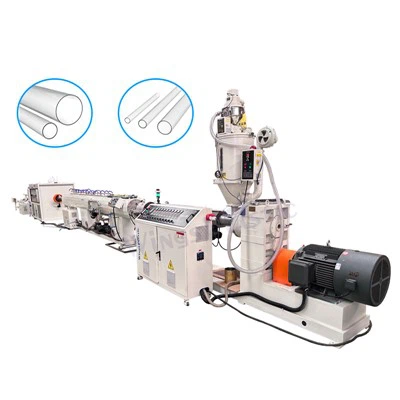
If you are interested in our EVA Vacuum Cleaner Hose Machines or have any questions about their operation and performance, feel free to contact us for a detailed discussion and potential purchase negotiation. Our experienced team is always ready to assist you.
PPR Pipe Machine References
- O’Neil, A. (2021). Machinery Operation Handbook. Industrial Press.
- Smith, J. (2020). Polymer Processing Technology. Wiley – Blackwell.
Qingdao Wings Plastic Technology Co., Ltd.
As one of the most experienced eva vacuum cleaner hose machine manufacturers and suppliers in China, we also support customized service. Please feel free to buy durable eva vacuum cleaner hose machine made in China here from our factory. For price consultation, contact us.
Address: C02 Of Anshengyi Road, No.2 Fuan Industry Zone,Jiaodong Town, Jiaozhou City, Qingdao City, Shandong Province,China
E-mail: kelly@wingsplastic.com
WebSite: https://www.wingsextruder.com/
