Hey there! As a supplier of medical adhesives, I’ve been in the thick of the industry for quite a while. And one question that keeps popping up is how medical adhesives stack up against tissue glue. So, let’s dive right in and break it down. Medical Adhesive

First off, what exactly are medical adhesives and tissue glue? Medical adhesives are substances used to bond medical devices to the body or to close wounds. They come in various forms, like tapes, glues, and films. Tissue glue, on the other hand, is specifically designed to bond tissues together. It’s often used in surgical procedures to close incisions or repair damaged tissues.
Now, let’s talk about the similarities. Both medical adhesives and tissue glue are used to create a bond. They can both be used to close wounds, which is a huge plus in the medical field. They also both need to be biocompatible, meaning they won’t cause an adverse reaction in the body. This is super important because we don’t want the patient’s body to reject the adhesive or glue.
But there are also some key differences. One of the biggest differences is the application method. Medical adhesives can be applied in a variety of ways. For example, tapes can be simply stuck on, while some glues need to be spread with an applicator. Tissue glue, however, is usually applied directly to the tissues using a special applicator. It’s often used during surgery, where precision is key.
Another difference is the strength of the bond. Medical adhesives can vary in strength depending on their intended use. Some are designed for temporary use, like holding a bandage in place, while others are meant for more permanent applications, like attaching a medical device. Tissue glue, on the other hand, is typically designed to create a strong, long – lasting bond between tissues. It needs to be able to withstand the normal movement and stress of the body.
Let’s also consider the setting time. Medical adhesives can have different setting times. Some dry quickly, which is great for situations where you need a fast fix. Others may take a bit longer to set, but they might offer a stronger bond. Tissue glue usually has a relatively fast setting time, especially in a surgical environment where time is of the essence.
When it comes to the types of materials they’re made of, medical adhesives can be made from a wide range of substances, including polymers, rubber, and silicone. Tissue glue is often made from biological materials, like fibrin or cyanoacrylate. Fibrin – based tissue glues are derived from the body’s own clotting factors, which makes them very biocompatible. Cyanoacrylate tissue glues are synthetic and are known for their fast – acting and strong bonding properties.
Now, let’s talk about the pros and cons of each. Medical adhesives are very versatile. They can be used in a wide range of medical applications, from wound care to attaching medical devices. They’re also relatively easy to use and can be found in many different forms. However, some medical adhesives may cause skin irritation in some patients, especially those with sensitive skin.
Tissue glue, on the other hand, is great for surgical applications. It provides a strong and reliable bond between tissues, which can help with faster healing. It also reduces the need for sutures, which can be painful and leave scars. But tissue glue can be more expensive than some medical adhesives, and it requires a certain level of skill to apply correctly.
In terms of regulatory requirements, both medical adhesives and tissue glue need to meet strict standards. They have to be approved by regulatory bodies like the FDA in the United States. This ensures that they’re safe and effective for use in medical settings.
As a medical adhesive supplier, I know that choosing the right product depends on the specific needs of the patient and the medical procedure. For minor wounds or temporary applications, a medical adhesive might be the way to go. It’s easy to use and can be found in many different forms. But for surgical procedures, tissue glue might be a better option because of its strong bonding properties and fast setting time.
If you’re in the market for medical adhesives, it’s important to consider factors like the type of application, the strength of the bond, the setting time, and the biocompatibility. You also need to think about the cost and the regulatory requirements.
We at our company offer a wide range of medical adhesives that are designed to meet the diverse needs of the medical industry. Our products are made from high – quality materials and are rigorously tested to ensure their safety and effectiveness. Whether you need an adhesive for wound care, medical device attachment, or any other medical application, we’ve got you covered.
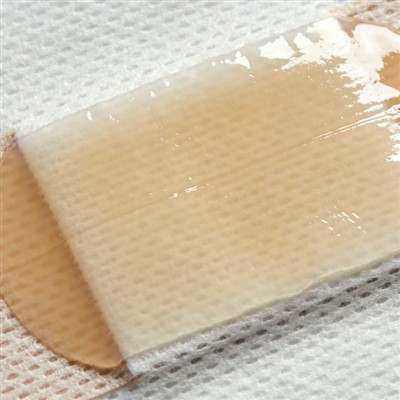
If you’re interested in learning more about our medical adhesives or have any questions about how they compare to tissue glue, don’t hesitate to reach out. We’re always happy to have a chat and help you find the right product for your needs. Let’s start a conversation and see how we can work together to provide the best solutions for your medical requirements.
Medical Wearable Solutions References
- "Medical Adhesives and Sealants: Science and Technology" by Mark A. Ratner and Allan S. Hoffman
- "Tissue Glue in Surgery: Principles and Practice" by John A. Kessler
Shenzhen Omori Biological Technology Co., Ltd.
We’re well-known as one of the leading medical adhesive manufacturers and suppliers in China. We warmly welcome you to wholesale high quality medical adhesive made in China here from our factory. If you have any enquiry about customized service, please feel free to email us.
Address: Floor4, No43, Langkou Industrial park, Dalang Street, Longhua District, Shenzhen City, Guangdong Province, China
E-mail: wya@omorimed.com
WebSite: https://www.omorimed.com/
