Hey there! If you’ve ever shopped for fabric online or chased the perfect wrinkle-effect garment—think that soft, lived-in flowy shirt or breezy sundress that doesn’t look like you spent 10 minutes steaming it—you’ve probably stumbled on wrinkle rayon. It’s that stuff everyone goes crazy for lately, right? And as someone who’s been supplying wrinkle rayon for years now, I get so many DMs and calls asking the same question: “Wait, what even is the weight of wrinkle rayon fabric? Because I don’t want to show up to a wedding in something so thin it’s see-through, or so heavy it feels like I’m wearing a canvas bag.” Wrinkle Rayon
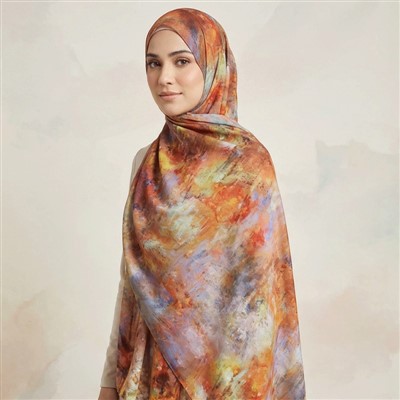
First off, let’s kill the confusion right out the gate—wrinkle rayon isn’t a single, one-size-fits-all fabric. It’s rayon (which is basically a semi-synthetic fiber made from wood pulp, super soft and breathable) that’s been treated to hold that intentional, subtle wrinkle texture. That treatment changes its weight a little compared to regular plain rayon, but the biggest variable? What you’re using it for. I’ve had designers reach out for 5oz stuff for maxi dresses, and other clients (think kids’ clothing lines) begging for 3oz that won’t weigh them down. So let’s break this down like I’d explain it to a new customer standing in my warehouse—no fancy textile jargon, promise.
Let’s start with the core weights that most suppliers, including us, stock all the time. The low end? That’s like 2.5 to 3.5 ounces per square yard (oz/yd² for short—just roll with the abbreviation, it’s way easier than saying that whole line every time). This is the lightweight wrinkle rayon. We used to only keep this in stock for tank tops and summer scarves, but lately, people have been using it for flowy boho tops even in mild spring weather. The cool thing about this weight is it’s ultra breathable—you won’t break a sweat if you’re walking around an outdoor concert in July. The downside? It’s pretty sheer, so if you’re making something like a button-down, you’ll definitely need a lining. I had a customer order 100 yards of this last month to make matching face masks for her small café, and she texted me a week later saying she loved how soft it was. Win-win!
Then there’s the middleweight range, which is the workhorse of wrinkle rayon—3.6 to 4.9 oz/yd². This is the stuff we sell most of, hands down. It’s thick enough that you don’t have to panic about showing undergarments, but still lightweight enough that it drapes like a dream. We use this for almost everything: midi dresses, blouses, lightweight pants, even those trendy cropped cardigans people wear this time of year. I swear, this weight is the sweet spot for 90% of our clients. A bridal shop ordered 200 yards last season for bridesmaids’ mismatched dresses, and they said the wrinkle texture added such a relaxed, romantic vibe that photos didn’t need much editing. No one wanted those stiff, formal bridesmaid dresses anyway, right?
Now the heavyweight stuff—we’re talking 5 oz/yd² and up. This is more for fall and winter pieces, or structured garments like blazers. It’s still wrinkle rayon, so it has that soft crinkle, but it’s thick enough to hold a shape. We don’t keep a ton of this in stock because it’s more specialized, but we can order it in pretty much any color you want. I had a fashion client last year who used this to make trench coats for her line, and she raved that the wrinkle texture added an edgy, lived-in feel that regular trench fabric (which is usually cotton or polyester) can’t. The only thing to keep in mind here is that heavyweight wrinkle rayon is a bit less stretchy than the lighter stuff, so if you’re making something that needs to move with your body, you might want to size up a little.
Wait, but hold on—there’s a catch I wish more people knew about. Those numbers I just gave? They’re for finished wrinkle rayon. The fabric before it gets treated for wrinkles is sometimes a little heavier, because the dyeing and crinkling process can lighten it by up to half an ounce. I’ve had new clients ask me, “Hey, your listing says 4 oz, but the sample feels lighter than the regular rayon I bought last year!” And I’m like, that’s exactly why—it’s the treated, wrinkle version, not the plain stuff. Don’t let that confuse you. Just remember: if a supplier doesn’t specify finished weight, that’s a red flag. That means they might be quoting you the pre-treated number, and you’ll end up with something way thinner than you expected.
Another thing that affects the weight? The width of the fabric. Most wrinkle rayon is 58 to 60 inches wide, which is standard for apparel fabric. But occasionally, you’ll find narrow rolls (like 45 inches) which might feel a little heavier per yard because there’s less fabric to cover. Wait, no—actually, let me correct that: it’s the same weight per square yard, so if you buy a narrow roll, a yard of fabric is shorter in width, so it feels like less. But that’s a whole other thing. The numbers I gave you? All for 58-60 inch wide fabric, which is what 99% of our customers order.
Let’s talk about how this translates to everyday items, because weights can feel abstract. A lightweight (2.5-3.5 oz) yard of wrinkle rayon is like the weight of a standard bed sheet. A middleweight (3.6-4.9 oz) yard is closer to the weight of a pair of lightweight jeans. The heavyweight (5+ oz) is like the weight of a thick blanket. That’s a good way to visualize it, right? I use that when I’m helping someone pick the right weight for their project.
Now, I know some of you are thinking, “Wait, does the color matter? I’ve noticed dark fabric feels heavier than light stuff.” Yeah, that’s a thing, but it’s not because the fabric itself is heavier. It’s just how dye absorbs—dark dyes (like black or navy) use more pigment, so the fabric looks thicker. But the actual weight is still the same as the lighter color of the same weight. I’ve tested this myself—we have a sample swatch book that has the same weight in white and black, and they feel identical when you hold them. So color doesn’t affect weight, just perception.
As a supplier, I always tell customers to pick their weight based on what they’re making, not just what looks cool. If you’re making a swimsuit cover-up, go lightweight—you want it to dry fast and drape loosely. If you’re making a work blouse that you need to look polished but not stiff, go middleweight. If you’re making a fall jacket or a structured skirt, go heavyweight. That’s the simple rule I follow, and it hasn’t let me down yet.
I’ve had my fair share of mistakes with this too, by the way. Early on, I was new to the wrinkle rayon game, and I sent a client a batch of 3 oz fabric because she wanted something flowy for a summer dress. She texted me a week later saying it was so sheer she could see her underwear through it, and she had to line the whole dress, which doubled her cost. I felt terrible about it, so now I always ask new customers a bunch of questions: what’s the garment? Is it for casual or formal use? Does it need a lining? That way I can point them to the right weight, no more surprises.
Another thing I want to clear up: wrinkle rayon is often confused with crepe, but they’re not the same. Crepe is usually made with polyester or silk, and its texture is more crinkly, less soft. Wrinkle rayon is always that soft, flowy stuff that feels like a well-worn t-shirt, even when it’s new. And its weight is way more varied than crepe, which is why people get confused.
Wait, let’s talk about care for a second, because that ties into how the fabric feels after washing, which people often mistake for weight. Wrinkle rayon does shrink a little when you wash it, right? Most of our fabrics are pre-shrunk, so it only shrinks 2-3% if you wash it in cold water and hang it to dry. If you use hot water and the dryer, it can shrink more, which will make it feel heavier, but that’s just because it’s smaller, not because the actual fabric weight changed. So if you’re making something to fit, make sure you account for that shrinkage, especially if you’re using a middle or heavyweight fabric.
Now, let’s get back to the original question—what is the weight of wrinkle rayon, exactly? There’s no single answer, but the standard range is 2.5 to 6 oz/yd², with the sweet spot being 3.6 to 4.9 oz for most apparel. But like I said, it all depends on your use case. If you’re still not sure, just reach out—we’re here to help.
As a supplier, I pride myself on being transparent about all this. No hiding numbers, no sending samples that don’t match the listing, no upselling you on a weight you don’t need. I’ve been in this game for 7 years, and most of our repeat customers come back because they know they can count on us to give them the straight scoop on everything from weight to color fastness to how the fabric will hold up after a dozen washes.
If you’re working on a new project—whether it’s a small side hustle, a line of clothes, or even a DIY project—and you need wrinkle rayon, don’t overthink the weight. Just tell us what you’re making, and we’ll point you to the right stuff. We have samples you can order for next to nothing to test the weight and texture before you commit to a big order, so you don’t end up making the same mistake I made with that first customer years ago.
At the end of the day, wrinkle rayon is such a versatile fabric, and its weight is just one part of what makes it so great. Whether you’re going for a casual, laid-back look or something a little more polished, there’s a weight that’s perfect for you. You don’t have to guess—just ask, and we’ll give you all the info you need to make the right choice.
If you’re ready to place an order or just chat about what weight works for your project, hit us up. We’re here to make your fabric buying experience as easy and stress-free as possible. No complicated orders, no hidden fees, just good fabric and good service. Let’s make something great together.
Under Cap References
- Textile Institute. (2021). Apparel Fabric Weights and Material Specifications. The Textile Journal.
- Wood Pulp Fiber Association. (2022). Properties of Rayon Fabrics and Finished Weight Variations. Fiber Insights.
- Sustainable Apparel Coalition. (2023). Fabric Weight Guidelines for Sustainable Garment Production. Higg Index.
- U.S. Department of Commerce. (2020). Standard Widths and Weights for Domestic Apparel Fabrics. Textile Product Standards.
Yiwu Wennuan Clothing Co., Ltd.
We’re well-known as one of the most experienced wrinkle rayon manufacturers and suppliers in China. We warmly welcome you to buy customized wrinkle rayon made in China here from our factory. If you have any enquiry about cooperation, please feel free to email us.
Address: 2nd Floor, Building B, No.17 Jinhui Road, Heyetang Industrial Zone, Futian Street, Jinhua, Zhejiang, China
E-mail: wennuan@wennuanfactory.com
WebSite: https://www.wennuanhijab.com/
