Hey everyone, I’m [Your Name], and I run a door skin supply business that’s been around long enough to know most questions we get from contractors, remodelers, and even DIY folks boil down to one thing: “how thick is a typical door skin?” It sounds simple, right? But trust me, if you’ve ever tried to source the right door skin for a project, you know there’s way more to it than just guessing a number. I’ve lost count of how many times a customer calls us panicking because they bought a door skin that was way too thin (it bent before they even got it on the door frame) or way too thick (wasted money on something they didn’t need). Today, I’m breaking this down like we’re chatting over coffee—no fancy engineering jargon, just real talk from someone who deals with door skins every single day. Door Skin
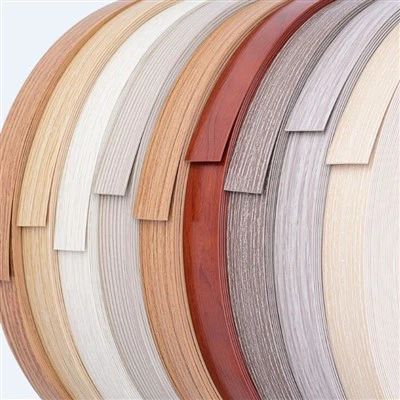
First off, let’s make sure we’re on the same page about what a door skin actually is, because half the confusion comes from mixing up terms. A door skin is the flat, outer panel that covers a door’s core. Think of it like the wrapper for a door, but it’s not just decorative—it’s the part that takes all the wear: bumps from moving furniture, dents from kids’ soccer balls, scratches from tools. The core is the structural part inside, like honeycomb, solid wood, or foam, but the skin is what you see and interact with. If you’re repairing an old door, you’re almost always replacing the skin, not the whole door. If you’re building a new interior door from scratch, the skin is what forms the face of the door.
Now, the big question: thickness. If you ask Google, some sites will give you a random number like 1/8 of an inch, and others will say 1/16, and you’re left more confused than before. The truth is, it depends on two things: what kind of door it is (interior vs. exterior) and what material the skin is made of. I can’t stress that last part enough—material changes everything. Most door skins these days are either wood-based (like MDF, particleboard, or solid wood veneer over a substrate) or metal (steel, which is super common for exterior doors).
Let’s start with interior door skins first, because that’s what 70% of our customers order. For standard interior doors—like the ones in your bedrooms, living room, or hallway—the typical thickness is between 1/32 of an inch and 1/16 of an inch. Wait, hold on, that sounds thin, right? But remember, interior doors don’t have to handle extreme weather or heavy impacts like exterior ones. MDF is the most popular material here because it’s cheap, smooth, and easy to paint. A 1/16-inch MDF door skin is perfect for interior use—it’s rigid enough for hanging, doesn’t warp easily, and won’t cost you an arm and a leg. We also do solid wood veneer skins for people who want a real wood look without the price of a solid wood door, and those are usually around 1/32 inch thick. That thin veneer gets glued to an MDF or particleboard core, and it gives you the natural wood grain you’re after, but it’s still lightweight enough for interior use.
But here’s the thing: not all interior door skins are the same. If you’re doing a hollow core interior door, the skin is going to be on the thinner end—closer to 1/32 inch—because hollow cores don’t need a super thick skin for support. Solid core interior doors (the ones that are heavier, soundproof better) use a slightly thicker skin, usually 1/16 inch, because they need that extra rigidity to work with the solid core. I’ve seen customers try to use a hollow core skin on a solid core door, and it just won’t hold up—it’ll warp or creak after a few months. That’s why knowing what kind of door you’re pairing the skin with is non-negotiable.
Now, exterior door skins are a whole different game, and that’s where the thickness jumps up. Exterior doors have to deal with rain, snow, UV rays, temperature swings—all that stuff that makes materials expand and contract. Metal is the go-to for exterior doors because it’s durable, and steel skins are the standard here. The typical thickness for an exterior steel door skin is between 22 and 24 gauge. Wait, gauge can be confusing—lower numbers mean thicker metal, right? So 22 gauge is thicker than 24 gauge. Most exterior steel door skins we supply are 24 gauge, which is just thick enough to resist dents from hail or a stray baseball, but not so thick that it’s hard to work with. If a customer needs something extra heavy-duty for a commercial building or a coastal home (where salt air can corrode metal), we go with 22 gauge. That’s a thicker skin, lasts longer, but costs a bit more—worth it for those harsh environments.
What about wooden exterior door skins? Those are less common than metal, but some people prefer the natural look. Solid wood exterior door skins are usually around 1/8 inch thick. That’s twice as thick as interior wood skins, and for good reason—wood expands and contracts more than metal, so a thicker skin can handle that movement without cracking or warping. We also do thermoplastic olefin (TPO) skins for exterior doors, which are a plastic-based material that’s resistant to weather and scratches. TPO skins are usually 1/10 of an inch thick, which is in between interior and steel skins—super durable, low maintenance, and great for people who want a wood look without the upkeep of real wood.
I’ve had so many customers come to me and say, “I just need a door skin—can’t you just give me the average thickness?” But here’s the secret: the “average” thickness is only useful if you know the context. For most residential interior doors, the average is 1/16 inch. For most residential exterior steel doors, it’s 24 gauge (which works out to about 0.0239 inches, if you want the exact number). But if you’re a contractor doing a whole home remodel, or a property manager sourcing doors for a commercial building, you can’t just go with average—you need to match the skin thickness to the job.
Let me give you a real example from last month. A guy called me panicking because he’d bought 10 interior door skins online—turns out they were 1/32 inch, which is way too thin for solid core interior doors. He tried to install them, and three of them bent before he could even hinge them. He ended up having to return them and buy 1/16 inch skins from us, which cost him extra time and money. That’s the kind of mistake you make when you don’t pay attention to the thickness based on door type.
Another common mistake: people mixing up door thickness with door skin thickness. The whole door (including the core) is usually 1 3/8 inches for interior doors and 1 3/4 inches for exterior doors. The skin is only a tiny part of that—so when someone asks, “how thick is a door skin?” they’re not asking how thick the whole door is. That’s a super easy mix-up to make, especially if you’re new to working with doors.
So, what should you actually look for when buying a door skin? First, figure out if it’s for interior or exterior use. Then, match the material: MDF or wood veneer for interior, steel or TPO for exterior. Then, nail down the thickness: 1/32 inch for thin interior hollow core, 1/16 inch for interior solid core, 24 gauge for standard exterior steel, 1/8 inch for solid wood exterior, 1/10 inch for TPO exterior. If you’re unsure, just shoot us a message or give us a call—we’ve helped hundreds of people avoid that messy mistake I mentioned earlier.
A lot of customers ask why we don’t just have a one-size-fits-all door skin. The short answer is that it doesn’t make sense—wasting material on a thicker skin when you don’t need it drives up costs, and using a too-thin skin leads to poor quality and callbacks. We build door skins to fit exactly what our customers need, whether that’s a small batch for a homeowner replacing a single bedroom door, or a big order for a developer building 50 new homes.
Last thing I want to mention: quality matters more than just thickness. A 1/16 inch MDF skin from a reliable supplier is going to be way better than a 1/16 inch skin from a no-name supplier that’s made with cheap, flimsy MDF that warps in humidity. We test every single skin we ship to make sure it’s the right thickness, rigid, and resistant to wear—because that’s what our customers expect from a door skin supplier.

If you’re working on a project and you’re not sure what door skin thickness you need, don’t guess. We’re here to help you pick the right one, no pressure, no confusing sales pitches. Hit us up to chat through your project, whether you’re a DIYer with one door to fix or a contractor with a commercial build. We’ll send you samples if you need them, walk you through the specs, and make sure you get exactly what you need without overspending.
Cabinet Door Panel References:
- International Residential Code (IRC) for Exterior Door Requirements, 2021
- Door and Access Systems Manufacturers Association (DASMA) Standard for Door Skins, 2022
- Forest Products Laboratory, U.S. Department of Agriculture: Wood Thickness for Exterior Door Panels, 2020
- Steel Door Institute: Specification for Steel Door Skin Gauges, 2021
Yongkang City Dashu Decorative Materials Co., Ltd.
As one of the most professional door skin manufacturers and suppliers in China, we have world-leading production equipment and strong manufacturing capabilities. Please rest assured to buy bulk customized door skin at low price from our factory.
Address: No. 1199, Huajie West Avenue, Huajie Town, Yongkang City
E-mail: m13506791251@163.com
WebSite: https://www.dashutrim.com/
