If you’re reading this, you’ve probably found yourself in the same boat as thousands of urban delivery operators, small business owners, and last-mile logistics teams I’ve worked with over the past five years: you’ve invested in an electric cargo tricycle (ECT) to cut fuel costs, reduce your carbon footprint, and navigate narrow city streets that full-size trucks can’t touch—but there’s one annoying problem that keeps popping up: what do you do when your cargo box gets soaked mid-delivery? Electric Cargo Tricycle – Cargo Box
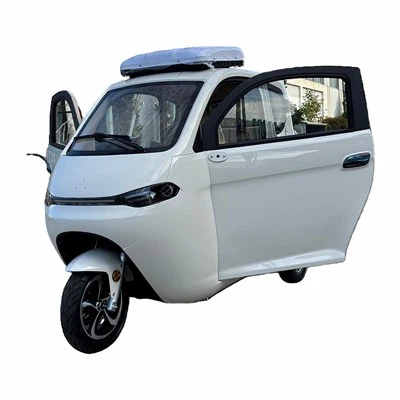
I’m Maya, and for the better part of a decade, I’ve run a small business designing and manufacturing custom cargo boxes for electric cargo tricycles. When I first started out, most of my clients came to me complaining that the cargo box they paired with their ECT was an afterthought—cheap, flimsy, and totally unprotected from rain. Packages get ruined, groceries get soggy, tools rust, and worst of all, drivers have to wrap everything in plastic bags that tear, leading to lost revenue and unhappy customers. Back then, rain guards for ECT cargo boxes were a rare, second-tier add-on that most suppliers wouldn’t touch. Today? They’re not just available—they’re a non-negotiable component for anyone serious about reliable, weatherproof last-mile delivery.
Let me walk you through what rain guards actually are (and what they’re not), the different types that work for ECT cargo boxes, how to pick the right one for your operation, and why they’re worth every penny.
First, let’s clear up a common misconception: a rain guard for an ECT cargo box isn’t just a big plastic tarp you drape over the top. While tarps are a cheap, temporary fix, they’re full of problems. They blow off at highway speeds (and yes, even city speeds count when you’re carrying a 500-pound load), they scratch up the cargo box’s exterior, they make it hard to access your items mid-delivery, and they leave gaps along the sides and back that rain can seep through. A proper ECT-specific rain guard is engineered to work with the dimensions, load limits, and design of your tricycle’s cargo box—whether it’s a flatbed, a closed van-style box, a pickup-style bed, or a custom bulk carrier.
There are four main types of rain guards available for ECT cargo boxes right now, each with their own use cases, pros, and cons, and I’ve tested every single one of them with my own clients over the years.
The first is the hard-shell roof rain guard. This is the most popular option for delivery fleets and small businesses that transport high-value or weather-sensitive goods—think medical supplies, electronics, or fresh produce. Made from lightweight, impact-resistant materials like high-density polyethylene (HDPE) or aluminum alloy, these guards mount directly to the top and side rails of your cargo box, creating a solid, sloped roof that sheds rain away from the load. Unlike tarps, they’re permanent, low-maintenance, and they can even double as extra cargo space if you need to strap items on top. We worked with a courier company in Chicago last year that switched to these hard-shell guards for their 200 ECT fleet, and they reported a 70% drop in water-related package damage within three months. The only downside? They’re a bit more expensive than other options, and they add a small amount of wind resistance—though for most city drivers, that’s negligible, and it doesn’t impact the ECT’s battery life at all. We run wind tunnel tests on every new design we make, and a hard-shell roof adds less than 2% to drag at city speeds, which is nothing compared to the 25-30% fuel cost savings an ECT delivers over gas-powered trucks.
The second type is the flexible fabric rain guard, often called a cargo box rain cover or a tonneau cover. These are made from heavy-duty, waterproof coated polyester or vinyl, and they stretch or roll over the top of the cargo box. Some are designed with snap closures or Velcro straps that fasten to the box’s side rails, while others are roll-up style, so you can roll them out of the way when you need full access to the cargo. These are perfect for operators who need to switch between covered and open transport frequently, or for smaller ECT owners on a tight budget. A lot of our catering clients love these—they use their ECT for delivering food, and they roll the cover up during drop-offs so they can quickly unload hot meals, then snap it back closed to protect leftovers and supplies from rain. The key to a good fabric rain guard is the material: cheap, thin vinyl will tear after a few months of exposure to UV rays and rain, but high-quality coated polyester can last 3-5 years with proper care. We only source fabric from suppliers that test their materials for water resistance and UV stability, and we reinforce the edges with heavy-duty stitching so they don’t fray when you’re rolling them up.
Third, there are side door and rear door rain guards for enclosed ECT cargo boxes. Most closed cargo boxes have solid doors at the front, back, and sides, but those doors usually have small gaps where rain can get in when you’re opening and closing them. We design custom rubber and vinyl seals that fit exactly into those gaps, plus small overhangs above the door openings that redirect rain away from the entry points. These are especially important for ECTs used in areas with heavy, constant rain, like the Pacific Northwest in the US or parts of Northern Europe. A friend of mine runs a grocery delivery service in Portland, Oregon, and he told me before he added side door guards, 1 in 10 grocery orders would have soggy produce or bread after a rainstorm—now that number’s less than 1 in 50. The door guards are also easy to install, no tools required for most models, and they don’t interfere with the door’s ability to open and close.
Fourth, there are full-enclosure rain guards, sometimes called cab-over cargo rain guards, that cover both the rider’s seat and the cargo box. These are popular for ECT drivers who work year-round in extreme weather, delivering in snow, rain, or even light sleet. The full enclosure is made from transparent, waterproof vinyl that lets the driver see out clearly, while protecting both the driver and the cargo from the elements. I’ve seen these used by delivery operators in Toronto and Stockholm, where winters bring months of freezing rain and snow, and drivers report that the enclosures cut down on delivery delays by 40%—no more waiting out rainstorms to finish routes, no more cold, wet drivers slowing down service. The downside here is that they’re bulkier and more expensive than other options, and some cities have regulations on the height and visibility of ECT enclosures, so you have to check your local laws before installing one.
Now, I know what you’re thinking: “Which one is right for me?” The answer depends on your specific use case, your budget, and your local weather. Let me break it down with simple examples from our clients:
- If you’re a courier delivering medical supplies or high-value packages that can’t get wet: go with a hard-shell roof rain guard. The durability and full coverage are worth the extra cost to protect your inventory.
- If you’re a catering or small retail owner moving smaller loads and need flexibility to access your cargo quickly: a fabric roll-up rain cover is your best bet. It’s affordable, easy to use, and does the job for most light rain.
- If you’re running an enclosed cargo box for grocery or food delivery in a rainy climate: add side and rear door rain seals to your existing setup. They’re inexpensive and make a huge difference.
- If you work year-round in extreme weather and need to protect both driver and cargo: look for a full-enclosure rain guard that’s compliant with local ECT regulations.
But here’s the thing: not all rain guards are created equal. I’ve seen too many cheap, off-the-rack rain guards online that claim to fit ECT cargo boxes, but they’re generic sizes that don’t account for the slight variations in box dimensions from different ECT manufacturers. A rain guard that’s 60 inches long won’t fit a 62-inch cargo box, and gaps at the sides mean rain will still get in. That’s why, when we design rain guards for our clients, we take three key factors into account first: the exact dimensions of their cargo box (length, width, height, door placement), their typical load size and type, and their local weather patterns. We even offer custom sizing for ECTs that have modified cargo boxes, because we know many operators adjust their boxes to fit their specific needs.
Another thing to look for in a quality rain guard is installation ease. No one wants to spend half a day installing a rain guard after a long day of deliveries. All the rain guards we sell and recommend are tool-free or require only basic tools (a screwdriver or drill) that most people already have at home or in their workshop. The hard-shell roof guards mount to the existing side rails of the cargo box, so you don’t have to drill new holes into the box itself—no permanent modifications, no risk of damaging the box and voiding its warranty. The fabric covers come with snap buttons that align with the pre-made slots on our cargo boxes, so you can fasten them in five minutes or less.
I should also mention maintenance, because a rain guard is only useful if it works when you need it. Hard-shell guards just need a quick wipe down with a wet cloth every few weeks to keep them clean. Fabric covers can be hosed off occasionally, and we recommend applying a waterproofing spray once a year to keep the material from breaking down. The door seals should be inspected every few months to make sure they’re not cracked or worn, and replaced if needed—this is a cheap fix that keeps your cargo box fully protected.
Now, let’s talk about some common mistakes I see clients make when choosing a rain guard. The first is buying a rain guard for the ECT’s rider compartment instead of the cargo box. A lot of ECT suppliers sell basic rider canopies, but those are designed to keep the driver dry, not the cargo. You still need a separate rain guard for the cargo box, because even if the driver stays dry, a package left open in the back will get soaked. The second mistake is choosing a rain guard that’s too heavy. Even though modern ECTs can handle extra weight, a 10-pound hard-shell roof is better than a 20-pound one, because it doesn’t impact the tricycle’s battery life or handling. We use lightweight materials like HDPE and aluminum to keep our guards under 8 pounds for most standard cargo boxes. The third mistake is ignoring UV resistance. A rain guard that cracks and fades after six months of sun exposure is useless. All the materials we use for our rain guards are UV-stabilized, so they can withstand years of being outside in direct sunlight.
Over the years, I’ve seen so many operators transform their business just by adding a good rain guard to their ECT cargo box. One of our first clients, a small delivery service in Denver, came to me five years ago saying they were losing $500 a month on water-damaged packages, mostly during summer thunderstorms. We installed a hard-shell roof rain guard on all 12 of their ECTs, and within two months, that number dropped to under $50 a month. They later expanded their fleet by 10 ECTs, and every single one came with our rain guards. Another client, a bakery in Austin, Texas, used to have to leave extra pastries at every delivery stop just in case the ones got soggy in rain. After adding a fabric rain cover to their cargo box, they stopped wasting pastries, which added an extra $300 a month to their profits.
If you’re still on the fence about whether a rain guard is worth it, let’s do a quick cost-benefit analysis. A quality rain guard for a standard ECT cargo box costs between $150 and $500, depending on the type. The average ECT operator spends between $300 and $1,000 a month on replacing damaged cargo or compensating customers for lost or wet items. That means a good rain guard pays for itself in 1 to 6 months, depending on how much damage you’re currently dealing with. And that’s not even counting the time you save not having to re-deliver items or handle customer complaints, which is the biggest hidden cost of unprotected cargo.
At the end of the day, electric cargo tricycles are built to make urban logistics easier, cheaper, and more sustainable. The last thing you want is a preventable issue like rain ruining the very thing that makes your ECT worth investing in. Rain guards aren’t just an add-on—they’re a critical part of making your ECT work for your business, no matter the weather.
If you’re in the market for a rain guard for your ECT cargo box, or if you want to learn more about what options are right for your specific needs, I’d be happy to chat. We work with fleets, small business owners, and individual operators, and we can help you design a solution that fits your cargo box, your budget, and your weather. There’s no one-size-fits-all answer, but there is a perfect solution for every ECT operator out there.

Reach out to us to discuss your electric cargo tricycle cargo box rain guard requirements and get a customized recommendation for your operation.
4-Wheel Electric Cargo-Flatbed References:
- International Transport Forum. (2022). Urban Last-Mile Logistics: Electric Cargo Vehicles and Weather Resilience. ITF Policy Brief.
- Electric Drive Transportation Association. (2021). ECT Cargo Box Accessories: Performance and Durability Testing. EDTA Technical Report.
- National Weather Service. (2023). Weather-Related Logistics Disruptions in Urban Areas: A 5-Year Analysis. NWS Urban Operations Report.
- Small Business Administration. (2022). Cost of Damage Prevention for Small Fleet Operations. SBA Office of Advocacy.
Taizhou Xiangyuan New Energy Technology Co., Ltd.
As one of the leading electric cargo tricycle – cargo box manufacturers and suppliers in China, we warmly welcome you to wholesale cheap electric cargo tricycle – cargo box for sale here from our factory. All customized products are with high quality and low price. Contact us for pricelist.
Address: NO.7HUANGJIN ROAD,METAL RESOURCES RECYCLING INDUSTRY BASE, LUQIAO, TAIZHOU, ZHEJIANG
E-mail: order@jiajiev.com
WebSite: https://www.jiajiev.com/
