Testing if a plug is working correctly is a fundamental yet crucial skill, especially for those involved in the electrical industry like myself, a dedicated plugs supplier. Over the years, I’ve witnessed firsthand the importance of a properly functioning plug, not only for the safety of users but also for the optimal performance of electrical appliances. In this blog, I’ll share my insights and experiences on how to effectively test if a plug is working correctly. Plugs

Understanding the Basics
Before diving into the testing process, it’s essential to have a basic understanding of how a plug works. A standard electrical plug typically consists of two or three prongs: two flat prongs for the live and neutral wires and, in some cases, a third round or U-shaped prong for the ground wire. The live wire carries the electrical current from the power source to the appliance, the neutral wire completes the circuit, and the ground wire provides a safety path for electrical faults.
Visual Inspection
The first step in testing a plug is a thorough visual inspection. This simple yet effective method can often reveal obvious signs of damage or wear. Start by examining the plug’s outer casing for any cracks, breaks, or signs of melting. These issues can indicate overheating or physical damage, which can compromise the plug’s safety and functionality.
Next, check the prongs for any signs of corrosion, bending, or looseness. Corroded prongs can impede the flow of electricity and increase the risk of overheating, while bent or loose prongs may not make proper contact with the socket, leading to intermittent power supply or electrical arcing. If you notice any of these issues, it’s best to replace the plug immediately.
Using a Continuity Tester
A continuity tester is a handy tool that can be used to check if there is a continuous electrical path through the plug. To use a continuity tester, first, ensure that the power to the socket is turned off. Then, insert the tester’s probes into the prongs of the plug, one at a time, and check for a continuous beep or light on the tester. If the tester doesn’t emit a beep or light up, it indicates a break in the electrical path, which could be due to a loose connection, a damaged wire, or a faulty plug.
Measuring Voltage
Another way to test if a plug is working correctly is to measure the voltage across the prongs. To do this, you’ll need a multimeter, a versatile tool that can measure various electrical properties, including voltage, current, and resistance. Start by setting the multimeter to the appropriate voltage range (usually AC volts) and then insert the probes into the prongs of the plug. If the plug is working correctly, the multimeter should display the nominal voltage of the electrical supply, which is typically 120V or 240V, depending on your location.
If the multimeter shows a significantly lower or higher voltage than the nominal value, it could indicate a problem with the electrical supply or the plug itself. A lower voltage may be caused by a loose connection, a damaged wire, or an overloaded circuit, while a higher voltage can be dangerous and may damage the electrical appliance. In either case, it’s recommended to consult a qualified electrician to diagnose and resolve the issue.
Testing the Ground Connection
The ground connection is an essential safety feature of an electrical plug, as it provides a path for electrical faults to safely dissipate into the ground. To test the ground connection, you can use a ground tester, which is a specialized tool designed to detect the presence of a proper ground connection.
To use a ground tester, first, ensure that the power to the socket is turned off. Then, insert the tester’s probes into the ground prong of the plug and a known good ground source, such as a metal water pipe or a grounding rod. If the tester emits a beep or light up, it indicates that the ground connection is working correctly. If not, it could indicate a problem with the ground wire or the socket, and it’s important to have it checked by a qualified electrician.
Load Testing
In addition to the above tests, it’s also a good idea to perform a load test on the plug to ensure that it can handle the electrical load of the appliance it’s intended to power. To do this, simply plug in the appliance and turn it on. Observe the plug and the socket for any signs of overheating, such as a burning smell, discoloration, or melting. If you notice any of these signs, immediately turn off the appliance and unplug the plug, as it could indicate a serious electrical problem.
Importance of Regular Testing
Regular testing of plugs is essential for maintaining the safety and functionality of electrical systems. Over time, plugs can wear out, become loose, or develop other issues that can increase the risk of electrical hazards, such as fires, shocks, or damage to electrical appliances. By testing plugs regularly, you can identify and address these issues before they become serious problems, ensuring the safety of your home or workplace and the longevity of your electrical appliances.
Conclusion
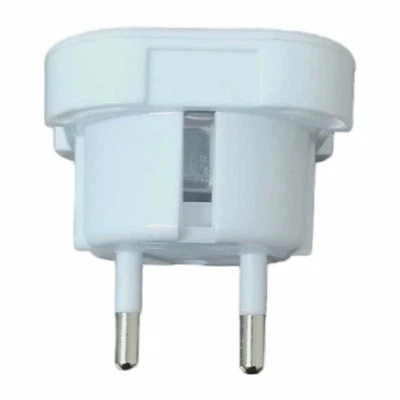
Testing if a plug is working correctly is a simple yet important task that can help prevent electrical hazards and ensure the optimal performance of electrical appliances. By following the steps outlined in this blog, you can easily test your plugs and identify any issues that may need to be addressed. Remember, if you’re unsure about how to perform any of these tests or if you suspect a serious electrical problem, it’s always best to consult a qualified electrician.
Socket Accessories As a plugs supplier, I’m committed to providing high-quality plugs that meet the highest safety standards. If you’re in the market for reliable and durable plugs, I invite you to contact me to discuss your specific needs. I’ll be more than happy to assist you in finding the right plugs for your applications and provide you with the best possible service.
References
- Electrical Safety Foundation International. (2023). Electrical Safety Tips.
- National Fire Protection Association. (2023). Electrical Fires: Causes and Prevention.
- Underwriters Laboratories. (2023). Electrical Product Safety Standards.
Foshan Haosheng Technology Co., Ltd.
As one of the leading plugs manufacturers and suppliers in China, we warmly welcome you to buy advanced plugs made in China here and get pricelist from our factory. All customized products are with high quality and competitive price.
Address: No.4, Jinsha Liansha Shangliang Development Zone Avenue, Danzao Town, Nanhai District, Foshan City, Guangdong Province, China
E-mail: 13925140140@163.com
WebSite: https://www.hssocket.com/
