Hey there! I’m a supplier of stainless steel turned parts, and I’ve been in this game for quite a while. Over the years, I’ve learned a thing or two about how to boost the production efficiency of these parts. And I’m super excited to share these tips with you all. Stainless Steel Turned Parts
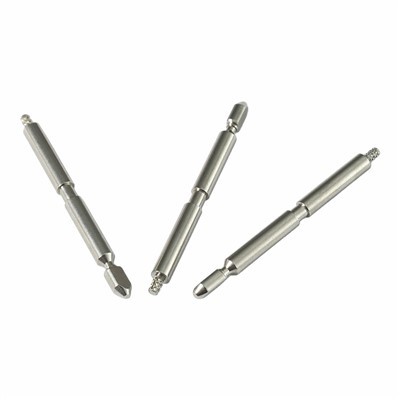
First off, let’s talk about the importance of efficient production. In the world of manufacturing, time is money. The faster we can produce high – quality stainless steel turned parts, the more competitive we are in the market. Plus, increased efficiency often means lower costs, which is a win – win for both us suppliers and our customers.
One of the key factors in improving production efficiency is starting with the right materials. Stainless steel comes in various grades, and each grade has its own characteristics. For example, 304 stainless steel is highly corrosion – resistant and commonly used in many applications. But if your part requires extra strength, you might want to go for 316 stainless steel. By choosing the appropriate grade of stainless steel from the start, you can avoid issues like excessive tool wear or poor part quality, which can slow down the production process.
I once had a customer who needed parts that would be exposed to a salty environment. They initially thought they could use a less expensive grade of stainless steel. But after some discussions, we decided to switch to 316 due to its better corrosion resistance. This small change actually saved us a lot of time in the long run because we didn’t have to deal with re – working parts that got corroded during the production tests.
Another important aspect is tool selection. Using the right cutting tools can significantly speed up the turning process. Carbide tools are a great option as they are extremely hard and can withstand high cutting speeds. They also have a longer lifespan compared to some other types of tools. When I first started using carbide tools in my production, I was amazed at how much faster we could turn the parts. The chips came off smoothly, and we didn’t have to stop as often to replace the tools.
But it’s not just about having the right tools; it’s also about maintaining them properly. Regularly sharpening and inspecting your tools can prevent issues like poor surface finish or inaccurate part dimensions. I make it a point to have a dedicated tool maintenance schedule. Every week, we take some time to check the tools, sharpen them if needed, and replace any that are too worn out. This simple routine has helped us keep our production running smoothly.
Automation is another game – changer when it comes to improving production efficiency. In my factory, we’ve invested in automated turning machines. These machines can run 24/7 with minimal human intervention. They can perform repetitive tasks with high precision, which reduces the chance of errors caused by human fatigue. For instance, we have a machine that can load the raw material, turn the part to the specified dimensions, and unload it all by itself. This has not only increased our production speed but also improved the consistency of the parts.
However, implementing automation isn’t as simple as just buying a machine. You need to have a well – trained team to operate and maintain these automated systems. We provide regular training to our workers so that they can handle any issues that might arise. And we also continuously update our machines with the latest software to ensure they are running at their best.
Quality control is also crucial for efficient production. By catching any defects early in the process, we can avoid wasting time and resources on parts that won’t meet the customer’s requirements. In my factory, we use a combination of in – process inspection and final inspection. During the turning process, we have workers check the parts at regular intervals to make sure they are on the right track. And at the end of the production line, we have a dedicated quality control team that thoroughly inspects each part.
For example, we use measuring tools like calipers and micrometers to check the dimensions of the parts. We also use visual inspection to look for any surface defects. If we find a defective part, we immediately stop the production line to figure out the root cause. This might involve checking the tool, the machine settings, or the raw material. By fixing the issue right away, we can prevent more defective parts from being produced.
Employee training and motivation are also essential. When your workers are well – trained, they can operate the machines more efficiently and make fewer mistakes. We offer regular training programs on topics like new machining techniques, tool handling, and quality control. And we also try to keep our employees motivated. We have a bonus system based on production efficiency. Workers who meet or exceed the production targets get a little extra cash in their paychecks. This has really encouraged our team to work harder and find ways to improve the production process.
Now, let’s not forget about communication. Good communication between different departments in the factory is vital for smooth production. For example, the production department needs to communicate with the quality control department and the procurement department. If there’s a problem with the raw material, the production team needs to quickly inform the procurement team so that they can source a better – quality material. And the quality control team should communicate any issues they find to the production team so that they can make the necessary adjustments.
In my experience, having regular meetings where all departments can discuss the production progress and any problems they are facing is very effective. We have a weekly production meeting where everyone gets a chance to speak up. This way, we can solve problems quickly and keep the production moving forward.
So, there you have it! These are some of the ways I’ve found to improve the production efficiency of stainless steel turned parts. By choosing the right materials, using proper tools, implementing automation, ensuring quality control, training and motivating employees, and having good communication, we can produce high – quality parts in a shorter amount of time.

If you’re in the market for stainless steel turned parts or want to discuss how we can improve the efficiency of your specific project, don’t hesitate to reach out. I’m always happy to have a chat and see how we can work together to meet your needs.
Stainless Steel Turned Parts References
- "Manufacturing Engineering Handbook", various industry experts’ contributions
- "Stainless Steel: Properties and Applications", industry research reports
Huizhou Quanyi Precision Hardware Products Co., Ltd.
We’re well-known as one of the leading stainless steel turned parts manufacturers and suppliers in China, featured by quality products and good service. Please rest assured to buy customized stainless steel turned parts made in China here from our factory. Contact us for more details.
Address: Building A10, 7th Floor, Zhongchuangyingke 5G Industrial Park, Zhonghan Industrial Park, Tonghu Town, Huizhou City
E-mail: info@qycncturning.com
WebSite: https://www.qycncturning.com/
