As a supplier of vertical multistage pumps, I’ve witnessed firsthand the critical role these pumps play in various industrial and commercial applications. Vertical multistage pumps are designed to handle high-pressure requirements efficiently, making them ideal for water supply systems, boiler feed, and reverse osmosis processes, among others. However, to ensure their optimal performance and longevity, it’s essential to monitor several key parameters. In this blog post, I’ll delve into the crucial monitoring parameters for vertical multistage pumps and explain why they matter. Vertical Multistage Pump

1. Flow Rate
Flow rate is one of the most fundamental parameters to monitor in a vertical multistage pump. It refers to the volume of fluid that the pump can move through the system per unit of time, typically measured in liters per minute (LPM) or gallons per minute (GPM). Monitoring the flow rate helps to ensure that the pump is delivering the required amount of fluid to meet the system’s demands.
A significant deviation from the designed flow rate can indicate several issues. For instance, a lower than expected flow rate may be due to a clogged impeller, a worn pump seal, or a blockage in the pipeline. On the other hand, a higher flow rate than the design specification can lead to increased energy consumption, excessive wear on pump components, and potential cavitation.
To measure the flow rate, various types of flow meters can be used, such as magnetic flow meters, ultrasonic flow meters, and turbine flow meters. Each type has its own advantages and limitations, and the choice depends on factors like the type of fluid, the required accuracy, and the installation conditions.
2. Pressure
Pressure is another critical parameter to monitor in a vertical multistage pump. The pump is designed to generate a specific pressure to overcome the resistance in the system and transport the fluid to the desired location. Monitoring the pressure at different points in the pump system, including the inlet and outlet, can provide valuable insights into the pump’s performance.
At the pump inlet, the pressure should be within the specified range to prevent cavitation. Cavitation occurs when the pressure at the inlet drops below the vapor pressure of the fluid, causing the formation of vapor bubbles. These bubbles can collapse violently within the pump, leading to damage to the impeller and other components, increased noise, and reduced efficiency.
At the pump outlet, the pressure should match the system’s requirements. If the outlet pressure is too low, the fluid may not reach the intended destination. Conversely, if the outlet pressure is too high, it can cause stress on the pipeline and other connected equipment, increasing the risk of leaks and failures.
Pressure gauges are commonly used to measure the pressure in the pump system. They are relatively inexpensive and easy to install, providing a quick and reliable way to monitor the pressure.
3. Temperature
Monitoring the temperature of the pump and the fluid is essential to ensure its safe and efficient operation. High temperatures can indicate several problems, such as excessive friction, inefficient cooling, or abnormal operating conditions.
The temperature of the pump motor should be monitored to prevent overheating. Overheating can cause damage to the motor windings, bearings, and other components, leading to premature failure. Most modern pump motors are equipped with temperature sensors that can provide real-time temperature readings. If the motor temperature exceeds the recommended limit, it may be necessary to reduce the load, improve the cooling system, or perform maintenance on the motor.
The temperature of the fluid being pumped should also be monitored, especially in applications where the fluid properties can change significantly with temperature. For example, in hot water supply systems, if the water temperature is too high, it can cause scaling on the pump components and reduce the pump’s efficiency.
4. Vibration
Vibration is a key indicator of the mechanical condition of a vertical multistage pump. Excessive vibration can be a sign of several problems, such as misalignment, unbalance, worn bearings, or looseness in the pump mounting.
Regular vibration monitoring can help detect these issues early, allowing for timely maintenance and preventing costly downtime. Vibration sensors can be installed on the pump casing, motor, and other critical components to measure the vibration levels. The data collected from these sensors can be analyzed to determine the frequency and amplitude of the vibration, which can provide clues about the source of the problem.
For example, a high-frequency vibration may indicate a problem with the impeller, such as a damaged blade or an imbalance. A low-frequency vibration, on the other hand, may be caused by misalignment between the pump and the motor or a problem with the foundation.
5. Power Consumption
Monitoring the power consumption of the vertical multistage pump can provide insights into its energy efficiency and overall performance. An increase in power consumption without a corresponding increase in flow rate or pressure may indicate a problem, such as a worn impeller, a clogged filter, or a malfunctioning motor.
By comparing the actual power consumption with the expected power consumption based on the pump’s specifications, it’s possible to identify any inefficiencies in the system. This information can be used to optimize the pump operation, reduce energy costs, and extend the pump’s lifespan.
Power meters can be used to measure the electrical power consumed by the pump motor. Some advanced power meters can also provide additional information, such as power factor and harmonics, which can help in identifying electrical problems and improving the overall energy efficiency of the system.
6. Noise
Noise is another important parameter to monitor in a vertical multistage pump. Unusual noise levels can indicate a problem with the pump, such as cavitation, mechanical wear, or a loose component.
Cavitation, as mentioned earlier, can cause a characteristic popping or crackling noise. This noise is a result of the collapse of the vapor bubbles within the pump. Mechanical wear, such as worn bearings or gears, can also produce a grinding or clicking noise. A loose component, such as a bolt or a nut, can cause a rattling noise.
Regularly listening for abnormal noise levels and recording any changes can help in identifying potential problems early. If abnormal noise is detected, it’s important to inspect the pump immediately to determine the cause and take appropriate corrective action.
Why Monitoring These Parameters is Crucial
Monitoring the above parameters is crucial for several reasons. Firstly, it helps to ensure the reliable operation of the vertical multistage pump. By detecting potential problems early, maintenance can be scheduled in a timely manner, reducing the risk of unexpected breakdowns and costly repairs.
Secondly, it improves the energy efficiency of the pump. By monitoring parameters such as flow rate, pressure, and power consumption, it’s possible to identify and eliminate any inefficiencies in the system, reducing energy costs and environmental impact.
Finally, it extends the lifespan of the pump. By keeping the pump operating within the specified parameters, wear and tear on the components are minimized, leading to a longer service life and a lower total cost of ownership.
Conclusion
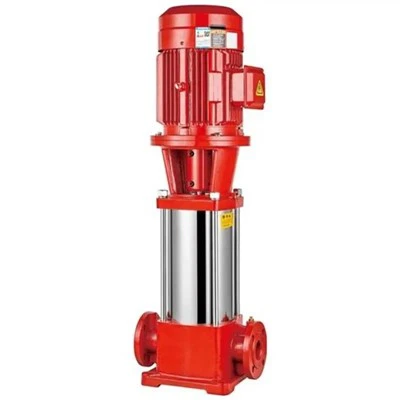
As a supplier of vertical multistage pumps, I understand the importance of monitoring the key parameters to ensure the optimal performance and longevity of these pumps. By regularly monitoring flow rate, pressure, temperature, vibration, power consumption, and noise, it’s possible to detect potential problems early and take appropriate action to keep the pump running smoothly.
YBX3 Explosion-Proof Motor If you’re in the market for a vertical multistage pump or need assistance with pump monitoring and maintenance, I encourage you to reach out to us for a consultation. Our team of experts can provide you with the right pump solutions tailored to your specific needs and help you maximize the efficiency and reliability of your pump system.
References
- Cooper, P., & Janner, K. (2019). Pump Handbook, 5th Edition. McGraw-Hill Professional.
- Karassik, I. J., Messina, J. P., Cooper, P., & Heald, C. C. (2021). Pump Application Engineering, 3rd Edition. McGraw-Hill Education.
- Stepanoff, A. J. (1957). Centrifugal and Axial Flow Pumps: Theory, Design, and Application. John Wiley & Sons.
Taizhou Goodpump Trading Co., Ltd.
We’re well-known as one of the most professional vertical multistage pump enterprises in China, featured by quality products and good service. Please rest assured to buy discount vertical multistage pump in stock here from our factory. For quotation, contact us now.
Address: No. 38, District 6, Zhengye Village, Lunan Street, Luqiao District, Taizhou City, Zhejiang Province, China
E-mail: 19548175755@163.com
WebSite: https://www.goodpump-cn.com/
