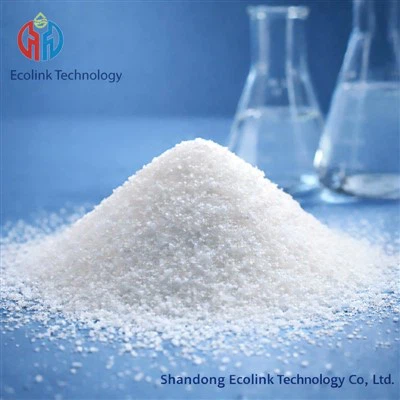
Cationic polyacrylamide (CPAM) is a versatile polymer widely used in various industries, including water treatment, papermaking, and oil and gas. As a supplier of CPAM, I often receive inquiries from customers about its stability in solution. Understanding how long CPAM remains stable in solution is crucial for ensuring its effectiveness and optimizing its use in different applications. In this blog post, I will delve into the factors that affect the stability of CPAM in solution and provide insights into its shelf life. Cationic Polyacrylamide
Factors Affecting the Stability of Cationic Polyacrylamide in Solution
The stability of CPAM in solution is influenced by several factors, including temperature, pH, concentration, and the presence of other chemicals. Let’s take a closer look at each of these factors:
Temperature
Temperature plays a significant role in the stability of CPAM in solution. Generally, higher temperatures accelerate the degradation of CPAM, leading to a shorter shelf life. At elevated temperatures, the polymer chains can break down, resulting in a loss of viscosity and effectiveness. On the other hand, lower temperatures can slow down the degradation process and extend the stability of the solution. However, extremely low temperatures can cause the solution to freeze, which may also affect the performance of CPAM.
pH
The pH of the solution is another important factor that affects the stability of CPAM. CPAM is most stable in a slightly acidic to neutral pH range (pH 6-8). In acidic conditions, the cationic groups on the polymer chains can become protonated, leading to a decrease in solubility and stability. In alkaline conditions, the polymer chains can undergo hydrolysis, which can also result in a loss of viscosity and effectiveness. Therefore, it is important to maintain the pH of the solution within the optimal range to ensure the stability of CPAM.
Concentration
The concentration of CPAM in solution can also affect its stability. Higher concentrations of CPAM can increase the viscosity of the solution, which can make it more resistant to degradation. However, extremely high concentrations can also lead to the formation of aggregates, which can reduce the effectiveness of CPAM. Therefore, it is important to find the optimal concentration of CPAM for each application to ensure its stability and performance.
Presence of Other Chemicals
The presence of other chemicals in the solution can also affect the stability of CPAM. Some chemicals, such as salts and surfactants, can interact with CPAM and cause it to precipitate or lose its effectiveness. Therefore, it is important to avoid using CPAM in solutions that contain incompatible chemicals.
Shelf Life of Cationic Polyacrylamide in Solution
The shelf life of CPAM in solution depends on several factors, including the quality of the product, the storage conditions, and the application. Generally, CPAM solutions can remain stable for several months to a year if stored properly. However, it is important to note that the shelf life of CPAM can vary depending on the specific product and the conditions under which it is stored.
To ensure the stability of CPAM in solution, it is recommended to store the solution in a cool, dry place away from direct sunlight and heat. It is also important to keep the solution tightly sealed to prevent the entry of air and moisture, which can accelerate the degradation process. Additionally, it is recommended to use the solution within a reasonable time frame to ensure its effectiveness.
Testing the Stability of Cationic Polyacrylamide in Solution
To determine the stability of CPAM in solution, it is recommended to conduct regular tests to monitor its viscosity, molecular weight, and performance. There are several methods available for testing the stability of CPAM, including viscosity measurement, gel permeation chromatography (GPC), and performance testing.
Viscosity measurement is a simple and effective method for monitoring the stability of CPAM in solution. By measuring the viscosity of the solution over time, it is possible to detect any changes in the polymer chains and determine if the solution is still stable. Gel permeation chromatography (GPC) is a more advanced method for analyzing the molecular weight distribution of CPAM. By measuring the molecular weight of the polymer chains, it is possible to determine if the solution is still stable and if the polymer chains have undergone any degradation.
Performance testing is another important method for evaluating the stability of CPAM in solution. By conducting performance tests, such as flocculation tests or sedimentation tests, it is possible to determine if the solution is still effective and if the polymer chains have maintained their ability to interact with other substances.
Conclusion
Anionic Polyacrylamide In conclusion, the stability of CPAM in solution is influenced by several factors, including temperature, pH, concentration, and the presence of other chemicals. By understanding these factors and taking appropriate measures to ensure the stability of the solution, it is possible to optimize the use of CPAM in different applications and ensure its effectiveness. As a supplier of CPAM, I am committed to providing high-quality products and technical support to help my customers achieve their goals. If you have any questions or need further information about the stability of CPAM in solution, please do not hesitate to contact me. I look forward to discussing your specific needs and helping you find the best solution for your application.
References
- "Cationic Polyacrylamide: Properties, Applications, and Market Trends." Chemical Market Research Report.
- "Stability of Polyacrylamide Solutions in Water Treatment." Journal of Environmental Science and Technology.
- "Factors Affecting the Stability of Cationic Polyacrylamide in Solution." Polymer Science and Engineering.
Shandong Ecolink Technology Co., Ltd.
Shandong Ecolink Technology Co., Ltd. is one of the most reliable cationic polyacrylamide manufacturers and suppliers in China. We warmly welcome you to wholesale bulk high quality cationic polyacrylamide from our factory. If you have any enquiry about cooperation, please feel free to email us.
Address: No. 8, Xiaying Chemical Industry Park, Aobu Road, Xiaying Town, Changyi City, Weifang City, Shandong Province,China
E-mail: sale02@ecolink-environment.com
WebSite: https://www.ecolink-environment.com/
