In the dynamic landscape of the energy sector, Liquefied Petroleum Gas (LPG) has emerged as a versatile and eco – friendly fuel source. As a leading LPG fueling station supplier, I have witnessed firsthand the remarkable technological advancements that have revolutionized the LPG fueling industry. In this blog, I will delve into these advancements and explain how they are shaping the future of LPG fueling stations. LPG Fueling Station
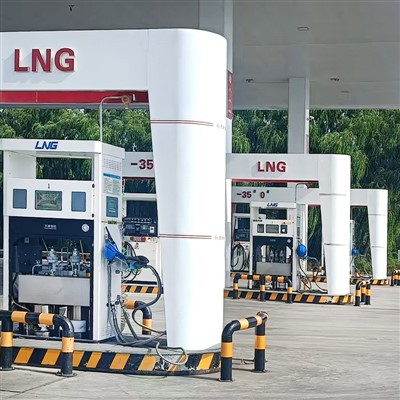
Automation and Digitalization
One of the most significant technological leaps in LPG fueling stations is the integration of automation and digitalization. Traditional fueling stations often relied on manual processes, which were time – consuming and prone to human error. Today, modern LPG fueling stations are equipped with automated systems that streamline the fueling process.
Automated dispensers are at the heart of this transformation. These dispensers can precisely measure the amount of LPG being dispensed, ensuring accurate billing and reducing waste. They are also capable of self – diagnostics, which means they can detect and report any malfunctions immediately. This not only improves the efficiency of the fueling station but also enhances safety.
Digital payment systems have also become standard in LPG fueling stations. Customers can now pay for their fuel using a variety of methods, including credit cards, mobile wallets, and contactless payments. This convenience has made the fueling experience more seamless for customers, reducing the time spent at the station.
Moreover, digital monitoring systems have been implemented to track the inventory of LPG in real – time. These systems can send alerts when the LPG levels are low, allowing station operators to replenish the supply in a timely manner. This helps to prevent shortages and ensures that customers always have access to fuel.
Safety Enhancements
Safety is of utmost importance in LPG fueling stations, and technological advancements have significantly improved safety measures. Leak detection systems are now more sophisticated than ever. These systems use advanced sensors to detect even the smallest LPG leaks. Once a leak is detected, the system can automatically shut off the fuel supply and trigger an alarm, alerting the station operators and nearby personnel.
Fire suppression systems have also been upgraded. Modern LPG fueling stations are equipped with state – of – the – art fire suppression equipment, such as foam extinguishers and sprinkler systems. These systems are designed to quickly extinguish fires in the event of an emergency, minimizing the risk of damage and injury.
In addition, advanced ventilation systems are installed in LPG fueling stations. These systems ensure that any LPG vapors are quickly removed from the station, reducing the risk of explosion. The ventilation systems are also equipped with sensors that can detect the concentration of LPG in the air and adjust the ventilation rate accordingly.
Environmental Sustainability
In recent years, there has been a growing emphasis on environmental sustainability in the energy sector, and LPG fueling stations are no exception. Technological advancements have enabled LPG fueling stations to reduce their environmental impact.
One of the key advancements is the development of more efficient LPG storage tanks. These tanks are designed to minimize LPG losses due to evaporation. They are also made of materials that are more resistant to corrosion, which extends their lifespan and reduces the need for frequent replacements.
Furthermore, the use of LPG as a fuel is inherently more environmentally friendly than many other fossil fuels. LPG produces fewer greenhouse gas emissions compared to gasoline and diesel. In addition, modern LPG fueling stations are designed to capture and recycle any LPG vapors that are released during the fueling process. This not only reduces emissions but also conserves resources.
Remote Monitoring and Management
With the advent of the Internet of Things (IoT), LPG fueling stations can now be remotely monitored and managed. Station operators can access real – time data about the station’s performance, including fuel levels, dispenser status, and maintenance requirements, from anywhere in the world.
Remote monitoring systems allow operators to identify and address issues promptly, reducing downtime and improving the overall efficiency of the fueling station. For example, if a dispenser malfunctions, the operator can receive an alert on their mobile device and take immediate action to fix the problem.
In addition, remote management systems enable operators to optimize the operation of the fueling station. They can adjust the fueling rates, set price changes, and manage inventory levels remotely, without having to be physically present at the station.
Future Trends
Looking ahead, there are several exciting trends on the horizon for LPG fueling stations. One of the most promising trends is the integration of renewable energy sources. LPG fueling stations could potentially be powered by solar panels or wind turbines, reducing their reliance on the grid and further enhancing their environmental sustainability.
Another trend is the development of hydrogen – LPG hybrid fueling stations. Hydrogen is a clean and efficient fuel, and combining it with LPG could offer a more sustainable and versatile fueling solution. These hybrid stations would require new infrastructure and technologies, but they have the potential to revolutionize the fueling industry.
In addition, the use of artificial intelligence (AI) and machine learning in LPG fueling stations is expected to increase. AI can be used to analyze data from the fueling station, such as customer behavior and fuel consumption patterns, to optimize the operation of the station and improve the customer experience.
Contact for Procurement

As a leading LPG fueling station supplier, I am committed to providing the latest technological solutions to meet the needs of our customers. Our fueling stations are designed with the highest standards of safety, efficiency, and environmental sustainability in mind.
LNG Fueling Station If you are interested in procuring an LPG fueling station or upgrading your existing station, I encourage you to get in touch with me. I would be more than happy to discuss your requirements and provide you with a customized solution that meets your specific needs.
References
- "LPG Technology Handbook" by [Author Name]. This comprehensive handbook provides in – depth information on the latest technologies used in LPG fueling stations.
- Journal of Energy and Environmental Science: Various articles in this journal discuss the environmental impact of LPG fueling stations and the technological advancements aimed at reducing it.
- Industry reports from leading energy research firms, which offer insights into the future trends and developments in the LPG fueling industry.
Tianjin Baiyan Technology Co., Ltd.
With abundant experience, we are one of the most professional lpg fueling station manufacturers and suppliers in China. We warmly welcome you to buy customized lpg fueling station made in China here from our factory. If you have any enquiry about pricelist and quotation, please feel free to email us.
Address: No. 36, Jixian Road, Shuangqiaohe Development Zone, Jinnan District, Tianjin, China
E-mail: sales@tjbaiyan.com
WebSite: https://www.baiyan-tech.com/
