Hey there! I’m a supplier of Laser Processing Machines, and I’ve been in this industry for quite a while. One question that often comes up is, "What is the impact of the material surface condition on the processing of a Laser Processing Machine?" Well, let’s dive right into it. Laser Processing Machine
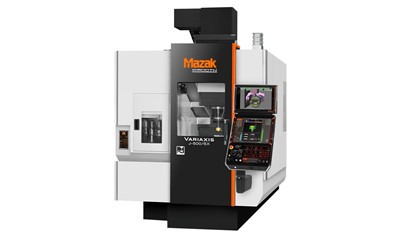
First off, let’s talk about what we mean by material surface condition. It includes things like surface roughness, cleanliness, reflectivity, and even the presence of coatings or contaminants. All these factors can have a big influence on how well a laser processing machine works.
Let’s start with surface roughness. When the surface of a material is rough, it can cause some issues. You see, lasers work by focusing a high – energy beam onto the material. A rough surface scatters the laser beam. Instead of the laser energy being concentrated in one spot, it gets spread out. This means that the energy density at the target area is reduced. As a result, the cutting or engraving process might not be as precise as we’d like. For example, if we’re trying to cut a metal sheet with a rough surface, the cut edges might be uneven. There could be jagged edges or even some areas that aren’t fully cut through.
Cleanliness is another crucial factor. If the material surface is dirty, with dust, oil, or other contaminants, it can really mess up the laser processing. The contaminants can absorb or reflect the laser energy in unexpected ways. For instance, if there’s a layer of oil on the surface, it might absorb some of the laser energy before it reaches the material itself. This can lead to inconsistent processing results. In some cases, the oil might even catch fire during the laser process, which is definitely not what we want. So, before using a laser processing machine, it’s super important to make sure the material surface is clean.
Reflectivity is also a major player. Different materials have different levels of reflectivity. Metals, for example, are highly reflective. When a laser beam hits a highly reflective surface, a significant portion of the energy can bounce off. This means that less energy is available for the actual processing. To deal with this, we might need to adjust the laser settings. We could increase the power of the laser to compensate for the reflected energy. But this has its own drawbacks. Higher power can cause more heat, which might damage the material or lead to other issues like warping.
Now, let’s talk about coatings on the material surface. Some materials come with coatings for various reasons, like protection or aesthetics. These coatings can have a big impact on laser processing. If the coating is too thick or has a different absorption rate than the base material, it can cause problems. For example, if we’re trying to engrave a coated metal, the laser might first burn through the coating and then start working on the metal. This can lead to a two – step process that’s more difficult to control.
The type of material also matters. For example, plastics and ceramics have different surface characteristics compared to metals. Plastics can be more sensitive to heat, and their surface condition can affect how well the laser cuts or engraves them. If the plastic surface has some scratches or irregularities, it can cause the laser to create uneven marks. Ceramics, on the other hand, are brittle. A rough surface might make them more prone to cracking during laser processing.
Let’s look at some real – world examples. I once had a customer who wanted to engrave some stainless – steel nameplates. The stainless – steel sheets they provided had a slightly rough surface. When we first tried to engrave them, the results were not great. The engraving was uneven, and the lines were a bit blurry. We had to spend some time adjusting the laser settings, increasing the power a bit, and using a slower processing speed. After some trial and error, we were able to get better results, but it took a lot more time and effort compared to working with a smooth – surfaced material.
Another time, a customer brought in some aluminum parts that were covered in a thin layer of oil. When we started the laser cutting process, we noticed that the cuts were not clean. There were some areas where the aluminum didn’t seem to be fully cut, and there were also some burn marks around the edges. We had to clean the parts thoroughly before we could proceed with the processing. Once the parts were clean, the laser cutting went much more smoothly.
So, what can we do to deal with these surface – related issues? Well, first of all, we need to do a proper pre – processing of the material. This might involve cleaning the surface, sanding it to reduce roughness, or even applying a special coating to improve the absorption of the laser energy. We also need to be able to adjust the laser processing parameters according to the material surface condition. This includes things like laser power, pulse frequency, and scanning speed.
As a Laser Processing Machine supplier, we offer our customers a lot of support in dealing with these issues. We have a team of experts who can help you analyze the material surface condition and recommend the best processing parameters. We also provide training on how to prepare the materials and operate the laser processing machines effectively.
If you’re in the market for a Laser Processing Machine, or if you’re having trouble with your current laser processing due to material surface conditions, don’t hesitate to reach out. We’re here to help you get the best results from your laser processing. Whether you’re a small business looking to add some custom engraving to your products or a large – scale manufacturer in need of high – precision cutting, we’ve got the solutions for you.
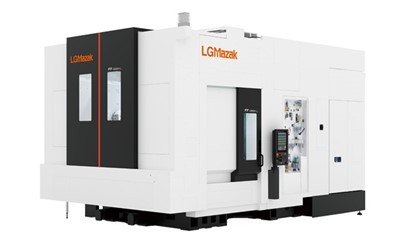
In conclusion, the material surface condition has a significant impact on the processing of a Laser Processing Machine. It can affect the precision, quality, and efficiency of the laser processing. But with the right knowledge, preparation, and equipment, we can overcome these challenges and achieve great results. So, if you’re interested in learning more about how our Laser Processing Machines can work for you, or if you have any questions about dealing with material surface conditions, just get in touch. We’re always happy to have a chat and see how we can help you out.
Coordinate Measuring Machine References:
- "Laser Material Processing" by John C. Ion
- "Handbook of Laser Technology and Applications" edited by C. B. Arnold
Hermens Industrial Co., Ltd.
As one of the most professional laser processing machine enterprises in China, we’re featured by quality products and low price. Please rest assured to buy cheap laser processing machine in stock here and get quotation from our factory. We also accept customized orders.
Address: 9/59 Moo 14, Rachathewa , Bang Phli , Samut Prakan Province 10540
E-mail: liu_jincheng@hzhemen.com
WebSite: https://www.hermensindustrial.com/
